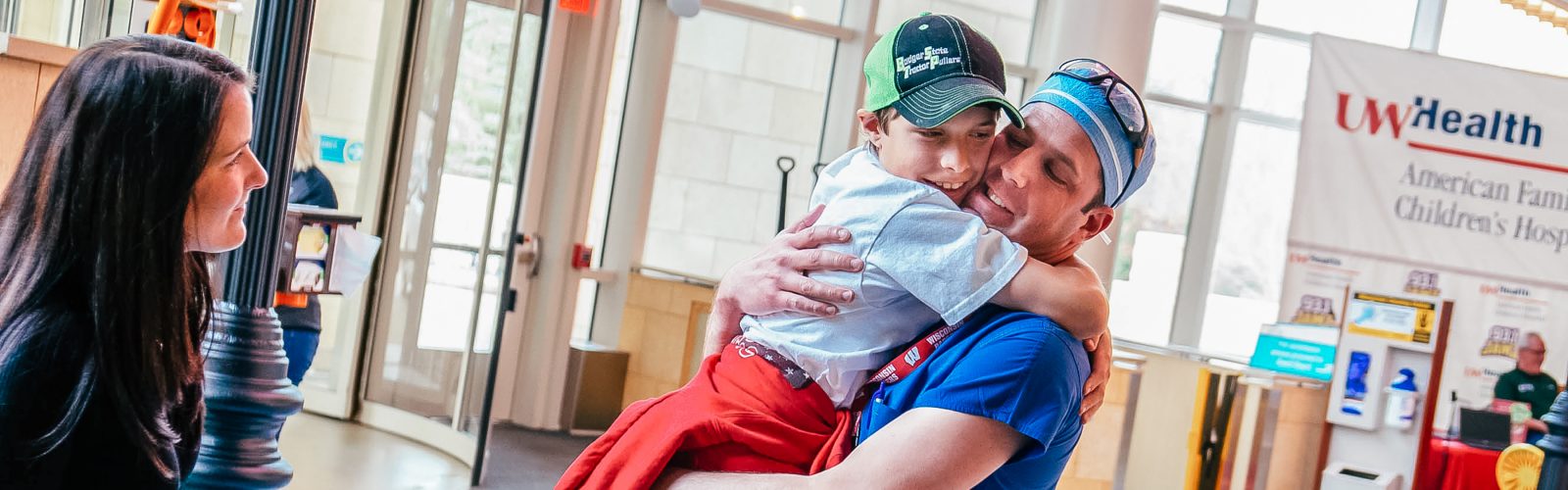
The Department of Surgery at the University of Wisconsin cares for patients at University of Wisconsin Hospital and Clinics, William S. Middleton Memorial Veteran’s Hospital, American Family Children’s Hospital, and Meriter Hospital as well as other local and regional hospitals and clinics.
If you come to the Department of Surgery at the University of Wisconsin your care will be provided in a clinic that unites several specialties to provide the best possible treatment plan. Our department prides itself on highly trained expert surgeons in their fields and proven, innovative techniques supported by cutting edge research, and outcomes above national benchmarks.
| Adult Plastic and Reconstructive Surgery | Surgeons in the Division of Plastic and Reconstructive Surgery provide the full spectrum of both reconstructive and cosmetic surgery services for children and adults. |
| Breast Surgery | Breast Surgery at the UW Department of Surgery is handled by surgeons trained in the most advanced procedures to treat cancer and diseases of the breast. Our breast surgeons are key members of a multidisciplinary team in the Breast Center dedicated to the prevention, diagnosis and treatment of all benign and malignant breast problems. The Breast Center is located in the UW Carbone Cancer Center, the only NCI designated Comprehensive Cancer Center in Wisconsin. |
| Burn Center | The University of Wisconsin Hospital and Clinics Burn Center offers a unique level of comprehensive burn treatment for both pediatric and adult patients from the time of injury through discharge and rehabilitation. |
| Cardiac Surgery | From cutting edge surgical procedures to pioneering medical therapies that put UW Health at the forefront of heart care, we offer our patients a wide array of treatments, procedures and services. |
| Colon and Rectal Surgery | The Department of Surgery colon and rectal surgeons provide comprehensive evaluation and surgical treatment for diseases of the colon, rectum and anus. |
| Dental Plastic and Reconstructive Surgery | The Division of Plastic and Reconstructive Surgery provides outpatient and inpatient hospital dental care to adults and children. |
| Endocrine Surgery | The Endocrine Surgery Program includes a multidisciplinary thyroid clinic involving endocrinologists and pathologists as well as surgeons and nurse practitioners who manage your endocrine concerns. |
| Esophageal and Gastric Surgery | Our surgeons treat many challenging medical conditions that affect the upper regions of the gastrointestinal and digestive tract. |
| Extended Efforts in Limb Salvage | We offer leading-edge limb salvage techniques to patients suffering from critical limb ischemia in the lower extremities. |
| General Surgery | The Division of General Surgery provides comprehensive surgical consultation and care in many subspecialties including colon and rectal surgery, trauma and burn, pediatric surgery, endocrine surgery, bariatric surgery and multidisciplinary hepatobiliary pancreas surgery. |
| Hand and Microsurgery | Plastic and reconstructive surgeons specialize in hand and microsurgery and provide a full range of hand surgical services for children and adults. |
| Heart Transplant | Our Department offers a comprehensive heart transplant program for patients with end-stage heart disease. Patients with chronic heart failure receive individual evaluations by our heart failure cardiologists and transplant team. |
| Hepatobiliary Surgery | The Liver and Pancreas Program for hepatopancreaticobiliary disorders at the University of Wisconsin unites a complete team of health care professionals to treat diseases of the liver and pancreas. |
| Intestine Transplant | |
| Kidney Transplant | Transplantation surgeons have performed more than 6,200 kidney transplants, making it one of the largest programs in the country. |
| Liver Transplant | |
| Lung Transplant | The Department of Surgery transplant team performs both single lung and bilateral lung transplants, according to the needs of individual patients. |
| Medical and Surgical Weight Management Program | The Medical and Surgical Weight Management Program is a multidisciplinary group of dedicated experts committed to helping morbidly obese patients who have struggled with their weight and health conditions, using the latest surgical techniques. |
| Otolaryngology | The Division of Otolaryngology-Head and Neck Surgery (ENT) offers a wide range of specialists in the field of adult and pediatric general otolaryngology, facial plastics and trauma, head and neck, otology, rhinology, swallow and voice issues. |
| Pancreas Transplant | Transplant surgeons at the Department of Surgery have performed more than 1,100 pancreas transplant procedures since its inception in 1982, making it one of the largest and most active in the nation. |
| Pediatric Cardiothoracic Surgery | Our pediatric cardiothoracic surgeon provides comprehensive treatment for infants, children and adolescents with congenital or acquired heart and/or thoracic diseases at American Family Children’s Hospital. |
| Pediatric Otolaryngology | Our department’s otolaryngologists specialize in the care of children with disorders of the head and neck, and are specifically trained in the care of pediatric ear, nose and throat conditions. |
| Pediatric Plastic and Reconstructive Surgery | Our specailists in pediatric plastic and reconstructive surgery provide a variety of services for children at the American Family Children’s Hospital. We care for the entire spectrum of congenital (present at birth) and acquired deformities in infants, children and adolescents. |
| Pediatric Surgery | From newborns to adolescents, from trauma care to cancer surgery – our pediatric general surgeons provide world-class pediatric surgical care. |
| Robotic Surgery | Robotic surgery provides an alternative to conventional procedures and surgeons in several of our divisions are able to perform an array of procedures using the da Vinci® robot. |
| Soft Tissue Surgery | Our surgical oncology specialists provide advanced surgical treatments for sarcoma and melanoma diagnoses. |
| Thoracic Surgery | The Thoracic Surgery specialists in the Department of Surgery offer comprehensive specialty care for patients with all types of heart and thoracic diseases. We provide a complete range of services – from initial evaluation and management to highly specialized consultation for rare diseases, new surgical approaches, devices and technologies. |
| Transplant Medicine | |
| Trauma Surgery | The Department of Surgery’s Section Trauma Surgery provides expert trauma care for patients of all ages at our Level One Trauma Center. |
| Vascular Surgery | The Division of Vascular Surgery at the University of Wisconsin provides comprehensive service for adults and children with vascular disorders. |
Adult Plastic and Reconstructive SurgerySurgeons in the Division of Plastic and Reconstructive Surgery provide the full spectrum of both reconstructive and cosmetic surgery services for children and adults. |
||
|---|---|---|
| Botox | Diminishes facial wrinkles and leaves patients with a fresh, youthful look. | |
| Breast Augmentation | Breast augmentation can be performed to balance a difference in breast size or for personal reasons, such as to improve self-image. | |
| Breast Implant Removal | ||
| Breast Lift | A breast lift can raise and reshape sagging breasts. | |
| Breast Reduction | Breast reduction, known as reduction mammaplasty, removes fat and skin from the breasts, making them smaller, lighter and firmer. | |
| Brow Lift | Elevates the sagging brow, reduces forehead wrinkles. | |
| Carpal Tunnel Release Surgery | Carpal tunnel release surgery reduces pressure on the median nerve. | |
| Chest Wall and Thoracic Reconstruction | Reconstructive procedure that can use muscle or free tissue flaps to reconstruct the chest wall in patients with congenital or acquired defects from cancer, radiation or trauma. | |
| Ear Surgery (Otoplasty) | Ear surgery can include earlobe repair and otoplasty, or ear surgery to reduce the size or appearance of ears. | |
| Earlobe Repair | Reconstructive surgery to repair or reconstruct the earlobe. | |
| Extended Efforts in Limb Salvage | We offer leading-edge limb salvage techniques to patients suffering from critical limb ischemia in the lower extremities. | |
| Face Lift | Treats sagging skin and tissue of the jaw line and neck. Restores youthful contour to this area. | |
| Filler Injections | Fillers such as Juvederm and Radiesse reduce the appearance of wrinkles and can also augment the cheeks and lips. | |
| Gynecologic Oncology Reconstruction | Reconstructive surgery after gynecologic surgery. | |
| Laser Resurfacing | Lasers can remove sun spots, spider veins and wrinkles from the face and body. | |
| Liposuction | Liposuction is the removal of unwanted fat from specific areas of the body. | |
| Lower Extremity Reconstruction | ||
| Lower Eyelid Tuck | Removes excess skin and fat of the lower lid. | |
| Mid-face Lift | Elevates the cheeks. | |
| Mini-face Lift | For patients with a lesser degree of facial aging or patients who desire a less invasive procedure. | |
| Mohs Defect Reconstruction | Reconstructive surgery after removal of skin cancer. | |
| Nose Surgery (Rhinoplasty) | Nose reshaping. | |
| Parotidectomy | Parotidectomy is the removal of the parotid gland, a salivary gland near the ear. | |
| Rhinoplasty | Nose reshaping. | |
| Scar Revision | Scar revision surgery restores function or reduces the appearance of scars. | |
| Skin Cancer Reconstruction | ||
| Surgery for Migraine Headaches | ||
| Tummy Tuck | Tummy tuck, also known as abdominoplasty, is a body contouring procedure which removes skin and fat from the mid and lower abdomen. | |
| Upper Eyelid Tuck | Removes excess skin and fat of the upper lid. | |
Breast SurgeryBreast Surgery at the UW Department of Surgery is handled by surgeons trained in the most advanced procedures to treat cancer and diseases of the breast. Our breast surgeons are key members of a multidisciplinary team in the Breast Center dedicated to the prevention, diagnosis and treatment of all benign and malignant breast problems. The Breast Center is located in the UW Carbone Cancer Center, the only NCI designated Comprehensive Cancer Center in Wisconsin. |
||
|---|---|---|
| Axillary Lymph Node Dissection | An axillary lymph node dissection occurs when all of the lymph nodes underneath the arm are removed. This procedure is performed if cancer is found in the lymph nodes after performing a core biopsy or a sentinel lymph node biopsy of the axillary lymph nodes. An axillary lymph node dissection can be performed with any of the breast procedures. | |
| Breast Reconstruction | Breast reconstructions can be performed by a plastic surgeon for most women who undergo mastectomy. This can be done at the same time as the breast operation or at a later time. Reconstructions can be done using artificial implants or by using tissue from a woman’s own body. | |
| Core Needle Biopsy | A core needle biopsy uses a needle to obtain a sample of breast tissue. Core biopsies may be performed with the help of an X-ray stereotactic mammogram (stereotactic core biopsy) or an ultrasound (ultrasound guided core biopsy). Core needle biopsy is usually performed by a radiologist. | |
| Lumpectomy or Partial Mastectomy | Lumpectomy is the surgical removal of the breast lump and some of the tissue around it. The lump is removed in one piece and sent to the lab for examination. | |
| Modified Radical Mastectomy | A modified radical mastectomy occurs when the entire breast and nipple are removed (may be skin-sparing or not), as well as the lymph nodes underneath the arm (an axillary lymph node dissection). | |
| Needle-localized Biopsy | This surgical biopsy is performed if a core biopsy cannot be performed or if it doesn’t provide a definitive diagnosis. Radiologists place a wire into the lump or calcification using mammogram or ultrasound guidance; the wire helps surgeons find the area of concern at the time of surgery. | |
| Needle-localized Excision | This is a surgical excision performed in the operating room after an abnormality, lump or calcification, is identified by needle biopsy. Radiologists place a wire into the lump or calcification using mammogram or ultrasound guidance; the wire helps surgeons find the area of concern at the time of surgery. Additionally, the UW Breast Center is one of the few centers in Wisconsin that also uses MRI to guide the placement of the wire for the surgical biopsy. | |
| Sentinel Lymph Node Biopsy | The sentinel lymph node is the first lymph node(s) underneath the arm where breast cancer may spread. These lymph nodes are sent to a pathologist to determine if cancer is present. A sentinel lymph node biopsy can be performed with any of the breast procedures (needle-localized excision, lumpectomy, or mastectomy). | |
| Simple Mastectomy | A simple mastectomy is a surgical procedure used to remove the entire breast and nipple, and some of the skin. It is usually done to treat breast cancer. | |
| Skin-sparing and/or Nipple-sparing Mastectomy | A skin-sparing mastectomy is a type of mastectomy in which all of the breast tissue and the nipple is removed, but as much of the skin is kept intact. A nipple-sparing mastectomy incorporates nipple-sparing techniques. These types of mastectomy are performed in women who wish to have immediate breast reconstruction. | |
Burn CenterThe University of Wisconsin Hospital and Clinics Burn Center offers a unique level of comprehensive burn treatment for both pediatric and adult patients from the time of injury through discharge and rehabilitation. |
||
|---|---|---|
| Burn Surgery | ||
Cardiac SurgeryFrom cutting edge surgical procedures to pioneering medical therapies that put UW Health at the forefront of heart care, we offer our patients a wide array of treatments, procedures and services. |
||
|---|---|---|
| Angioplasty | Angioplasty gets blood flowing back to the heart. It opens a coronary artery that was narrowed or blocked during a heart attack. | |
| Aortic Valve-Sparing Surgery | Aortic valve-sparing surgery allows surgeons to replace the diseased part of the aortic root and still preserve the patient’s native aortic valve. | |
| Atrial Septal Defect (ASD) Repair | Atrial Septal Defects (ASDs) can be repaired by guiding a catheter through a blood vessel into the heart. | |
| Cardiac Resynchronization Therapy (CRT) | In cardiac resynchronization therapy, powerful devices are used to restore the normal coordinated pumping action of the heart’s ventricles. | |
| Cardioversion | Cardioversion is a brief procedure in which in a synchronized electric shock is delivered to the heart to convert an abnormal rhythm back to normal. | |
| Carotid and Peripheral Blood Vessel Revascularization | ||
| Carotid Artery Stent | ||
| Carotid Surgery and Intervention | ||
| Cryoablation | Cryoablation is a procedure that involves freezing targeted portions of heart tissue to correct irregular heartbeats. | |
| Destination Therapy for End-Stage Heart Failure | Destination Therapy involves implanting the HeartMate® XVE left ventricular assist system (LVAS), the only device currently approved by the FDA as a long- term, permanent implant. | |
| Endoscopic Surveillance | ||
| Heart Bypass (Coronary Artery Bypass Graft Surgery – CABG) | A procedure which uses blood vessels from other parts of your body to re-route blood around diseased arteries. | |
| Implantable Cardioverter Defibrillators (ICDs) | An implantable cardioverter defibrillator (ICD) is a device implanted in the chest to monitor for arrhythmias and, if necessary, to correct episodes of an abnormal heart rhythm. | |
| In Situ Vein Bypass for Limb Salvage | In situ vein bypass is one of the methods used for revascularization of lower extremities to avoid amputation. | |
| Limb Salvage | Through the expertise of vascular specialists-including cardiovascular interventionalists, vascular surgeons and microvascular plastic surgeons, UW Health offers patients suffering from critical limb ischemia a team devoted to limb salvage. | |
| Maze Procedure (Surgical) | The maze procedure is indicated for some patients with atrial fibrillation. | |
| Maze Procedure (Minimally Invasive) | If Atrial Fibrillation cannot be treated with medication or other non-surgical procedures, patients are referred for a minimally invasive Maze procedure – also known as “mini maze.” | |
| Mitral Valve Repair | Mitral valve repair is a treatment for mitral regurgitation, the most common type of heart valve disorder. | |
| Pacemakers | When the heart’s own natural pacemaker, the sinus node, malfunctions or stops working, an artificial pacemaker can be implanted to generate regular impulses. | |
| Patent Foramen Ovale (PFO) Closure | The minimally-invasive PFO closure procedure performed by the UW Health Heart and Vascular Care team may eliminate the need for open-heart surgery in certain patients. | |
| Photodynamic Therapy | ||
| Pulmonary Thromboendarterectomy | This procedure aims to remove recurring blood clots and can take at least 6 to 8 hours, depending on the size and number of the clots and where they are located in the body. | |
| Radiofrequency Ablation (HALO) | Radiofrequency ablation can be used to locate and destroy abnormal electrical circuits in the heart that generate recurrent, sometimes life-threatening arrhythmias. | |
| Renal Stenting | ||
| Stents (Drug-Eluting Stents) | A stent is a small, expandable tube. It is permanently inserted into the artery during angioplasty. The stent keeps the artery open. | |
| Surgical Ventricular Remodeling (SVR) | ||
| Thoracic Aortic Aneurysm Repair (Endovascular Graft) | The endovascular graft is essentially a large fabric-covered stent that is compressed and positioned through a catheter that enters the body through the patient’s groin. | |
| Thoracic Aortic Aneurysm Repair (Open Surgical) | During this type of operation, a surgeon makes an incision in the chest and repairs the aorta by replacing the aneurysm with a tube called a synthetic graft, which is sewn into place. | |
| Transmyocardial Laser Revascularization (TMR) | The TMR procedure uses lasers to create small channels in the heart muscle. These channels help restore blood flow to the heart, which reduces the symptoms of coronary artery disease and offers relief from the pain of angina. | |
| Valve Repair or Replacement Surgery (Minimally Invasive) | Most valve repair or replacement operations are performed on the aortic or mitral valve. New minimally invasive techniques use smaller incisions and specialized instruments. Often the surgeon does not have to open the breastbone at all. | |
| Vena Cava Filter | ||
| Ventricular Assist Devices | A variety of VADs have been used successfully at UWHC to help keep patients with end-stage heart failure alive while awaiting transplant. This is called “bridge to transplant.” The majority of VADs implanted at UWHC are in this category. VADs can also be implanted as destination therapy for patients who are not candidates for heart transplantation, as well as for the less common “bridge to recovery.” | |
Colon and Rectal SurgeryThe Department of Surgery colon and rectal surgeons provide comprehensive evaluation and surgical treatment for diseases of the colon, rectum and anus. |
||
|---|---|---|
| Abdominoperineal Resection | ||
| Abscess Drainage | Inside the anus are small glands that can become clogged when an infection develops from bacteria or foreign matter that has entered the tisse. When the glands become infected, an abscess can develop which must be drained. | |
| Anorectal Manometry | A diagnostic procedure that measures resting and squeeze pressures throughout the length of the anal canal. | |
| Anorectal Ultrasound | If muscle injury is a possibility, an ultrasound that allows visualization of internal and external sphincter muscles will also be performed to assess for a defect. | |
| Colonoscopic Excision | ||
| Endorectal Advancement Flap | ||
| Excision / Fulguration of Condyloma | Surgical removal of condyloma, or anal warts. | |
| Fistulotomy | A fistulotomy is surgery to open a fistula allowing it to heal. | |
| Flap Repair | ||
| Hemorrhoid Banding | Rubber band ligation, or banding, is a procedure in which the hemorrhoid is tied off at its base with rubber bands, cutting off the blood flow to the hemorrhoid. | |
| Hemorrhoidectomy | Hemorrhoidectomy is surgery to remove hemorrhoids. | |
| Ileal Pouch Reconstruction | Ileal pouch reconstruction allows patients with conditions such as ulcerative colitis, familial polyposis and certain types of colon cancer to avoid living with a permanent ileostomy and external appliance after colectomy. | |
| Ileocolic Resection | ||
| Laparoscopic and Open Partial Colectomy | Laparoscopic surgery requires the abdomen to be inflated with carbon dioxide for the insertion of small access ports. A telescope attached to a camera is inserted through the ports into the abdomen and instruments are passed through the ports and used to manipulate the small and large intestines. | |
| Laparoscopic and Open Rectopexy | Surgery to treat rectal prolapse. | |
| Laparoscopic and Open Sigmoid Resection | Laparoscopic surgery requires the abdomen to be inflated with carbon dioxide for the insertion of small access ports. A telescope attached to a camera is inserted through the ports into the abdomen and instruments are passed through the ports and used to manipulate the small and large intestines. | |
| Laparoscopic and Open Total Colectomy | Complete removal of the colon and rectum. | |
| Lateral Internal Sphincterotomy | Sphincterotomy surgery allows a fissure or fistula to heal. A small part of the anal sphincter muscle is cut to open the anal canal. This relieves pressure when you move your bowels and allows a fissure to heal. | |
| Lower Anterior Resection (LAR) | ||
| Pilonidal Cyst Excision | Surgery to excise (remove) a pilonidal cyst. | |
| PPH Stapling | ||
| Pudendal Nerve Testing | A procedure in which an electrode is used to locate the nerve and sense sphincter contraction. Anorectal manometry and pudendal nerve testing assess the degree of muscle weakness and determine whether injury to the nerves is also contributing to your condition. | |
| Robotic Colon and Rectal Surgery | ||
| Small Bowel Resection | ||
| Sphincter Repair (overlapping sphincteroplasty) | A sphincteroplasty is a rectal sphincter repair to correct a defect in the muscles. | |
| Total Proctocolectomy | Complete removal of the colon and rectum. | |
| Transanal Endoscopic Microsurgery (TEM) | This procedure uses an operating scope inserted into the anus through which instruments are passed to remove rectal tumors. | |
| Transanal Proctosigmoidectomy | ||
Dental Plastic and Reconstructive SurgeryThe Division of Plastic and Reconstructive Surgery provides outpatient and inpatient hospital dental care to adults and children. |
||
|---|---|---|
| Management of TMJ dysfuction | TMJ surgery can be an option for patients with specific, severe structural problems in the jaw joint. These include scar tissue in the joint area, problems with bone alignment, broken or degenerated bones, and occasionally disc displacement or perforation. | |
| Teeth Extraction | A tooth that is severely damaged may need to be removed. A surgeon who specializes in surgeries of the mouth (oral and maxillofacial surgeon) can remove a tooth. | |
| Teeth Prophylaxis | ||
| Teeth Restoration | Repair of a chip or break in a tooth that may occur suddenly with an injury or develop slowly over time due to wear and tear. | |
Endocrine SurgeryThe Endocrine Surgery Program includes a multidisciplinary thyroid clinic involving endocrinologists and pathologists as well as surgeons and nurse practitioners who manage your endocrine concerns. |
||
|---|---|---|
| Adrenal Surgery | Surgery to remove tumors from the adrenal glands which can be either malignant (cancer) or benign (non-cancer). | Providers |
| Adrenalectomy, Laparoscopic | Laparoscopic adrenalectomy is a surgical technique used to remove the adrenal gland without making a large incision. | Providers |
| Adrenalectomy, Open | Surgical removal of one or both adrenal glands | Providers |
| Central Neck Dissection | Removal of the lymph nodes around the thyroid which is done for thyroid cancer when lymph node involvement is suspected. | Providers |
| Endocrine Surgery | A surgical procedure performed to remove hormone-producing tissue. | Providers |
| Fine Needle Aspiration (FNA) | A diagnostic procedure that uses a thin needle to biopsy a nodule that may be cancerous or benign. | Providers |
| Minimally Invasive Parathyroidectomy | An outpatient surgical procedure that uses pre-operative imaging to identify which of the four parathyroid glands are oversecreting hormones and removes the parathyroid gland through a small incision. | Providers |
| Minimally Invasive Radioguided Parathyroidectomy (MIRP) | An outpatient surgical procedure that uses radioactive material and a probe to identify which of the four parathyroid glands are oversecreting hormones and removes the parathyroid gland through a small incision. | Providers |
| Modified Radical Neck Dissection | A surgical procedure that removes a tumor from the neck while sparing non-lymphatic structures. | Providers |
| Neck Ultrasound | High frequency sound waves create pictures of your parathyroid(s) and other neck structures. | Providers |
| Parathyroid Surgery | A surgical procedure that removes one or more of the four parathyroid glands. | Providers |
| Resection Of Substernal Goiter | Sometimes the thyroid gland can grow into the chest. This can usually be removed from the neck by an experienced surgeon. | Providers |
| Subtotal Parathyroidectomy | Providers | |
| Thyroid Lobectomy | Removal of one side or lobe of the thyroid. | Providers |
| Thyroid Surgery | Surgery of the thyroid gland which is located in the neck below the Adam’s apple. The thyroid gland plays a role in metabolism, making proteins and assists with regulating various hormones. | Providers |
| Thyroidectomy | Surgical removal of the thyroid gland | Providers |
| Total Thyroidectomy | Removal of the thyroid and nearby lymph nodes. | Providers |
Esophageal and Gastric SurgeryOur surgeons treat many challenging medical conditions that affect the upper regions of the gastrointestinal and digestive tract. |
||
|---|---|---|
| Endoscopic Mucosal Resection for Barrett’s Esophagus | ||
| Esophagectomy (Minimally-invasive) | In an esophagectomy the abnormal segment of the esophagus is surgically removed. The stomach is then reattached to the noncancerous portion of the esophagus. This may be done in a minimally invasive manner. | |
| Laparoscopic and Robotic Gastrectomy | A minimally-invasive surgical procedure that removes part or all of the stomach to treat benign gastric ulcers or gastric cancers. | |
| Laparoscopic and Robotic Heller Myotomy | Heller myotomy is a surgical procedure that divides the muscles of the lower esophagus which in turn allows food and liquids to pass into the stomach.
This procedure may be laparoscopic of robotic. Laparoscopic esophageal (Heller) myotomy may be an option for patients with achalasia. Our surgeons also use robotic surgery techniques which allows for more exact, precise surgical movements and is a minimally-invasive approach to surgery. |
|
| Laparoscopic and Robotic Nissen Fundoplication | A minimally-invasive surgical procedure used to treat gastroesophageal reflux disease (GERD). The surgery improves the natural barrier between the stomach and esophagus by wrapping a part of the stomach around the lower esophagus. It is considered the gold-standard for treating GERD. | |
| Laparoscopic and Robotic Paraesophageal Hernia Repair |
A minimally-invasive operation used to repair hernias that result in a portion or all the stomach of the stomach goes up into the chest besides the esophagus.
This procedure can also be performed by using a robotic technique. |
|
| Single Incision Laparoscopic Nissen Fundoplication (LNF) | A minimally-invasive surgical procedure used to treat gastroesophageal reflux disease (GERD). The surgery improves the natural barrier between the stomach and esophagus by wrapping a part of the stomach around the lower esophagus. | |
| Transoral Incisionless Fundoplication (TIF) | A transoral incisionless fundoplication is an incisionless surgical procedure that is performed transorraly, through the mouth. This procedure reduces reflux symptoms by reinforcing the gastrointestinal juction. | |
General SurgeryThe Division of General Surgery provides comprehensive surgical consultation and care in many subspecialties including colon and rectal surgery, trauma and burn, pediatric surgery, endocrine surgery, bariatric surgery and multidisciplinary hepatobiliary pancreas surgery. |
||
|---|---|---|
| Appendectomy | During an appendectomy, the inflamed or infected appendix is removed. | |
| Cholecystectomy (Gallbladder Removal) | Gallbladder removal. | |
| Diagnostic and Therapeutic Upper Gastrointestinal Endoscopy | An upper gastrointestinal (UGI) endoscopy is a procedure that allows your doctor to look at the interior lining of your esophagus, your stomach, and the first part of your small intestine (duodenum) through a thin, flexible viewing instrument called an endoscope. The tip of the endoscope is inserted through your mouth and then gently moved down your throat into the esophagus, stomach, and duodenum (upper gastrointestinal tract). | |
| Dialysis Access | Successful hemodialysis requires a vascular access point through which blood is removed for cleaning. Dialysis access surgery establishes this access point. | |
| Excision of Ganglion Cyst | This surgery removes a cyst from your wrist. | |
| Excision of Lipoma | Surgical removal of lipoma which is a growth of fat cells in a thin, fibrous capsule usually found just below the skin. | |
| Groin Pain After Hernia | ||
| Hidradenitis | Hidradenitis suppurativa is a blockage of the sweat glands, usually in the armpits, and rarely, on the buttocks or groin or under the breasts. Surgery can be needed to remove lumps and cure the infection. | |
| Laparoscopic Groin Hernia Repair | In laparoscopic hernia repair, a thin, lighted scope called a laparoscope is inserted through an incision. The instruments to repair the hernia are inserted through other small incisions in the lower abdomen. Mesh is then placed over the defect to reinforce the abdominal wall. | |
| Management of Complicated Wounds | ||
| Muscle Biopsy | A muscle biopsy is the removal of a small piece of muscle tissue for examination. | |
| Open and Laparoscopic Hernia Repair | Comprehensive laparoscopic or open surgical treatment for hernia repair. | |
| Open Groin Hernia Repair | In open hernia repair surgery, a single long incision is made in the groin. If the hernia is bulging out of the abdominal wall (a direct hernia), the bulge is pushed back into place. If the hernia is going down the inguinal canal (indirect), the hernia sac is either pushed back or tied off and removed. | |
| Sebaceous Cyst Removal | Surgery to remove a sebaceous cyst, or blocked oil gland. | |
| Skin Biopsy | ||
| Spleen Removal (Splenectomy) | Spleen removal (splenectomy) is surgery to remove a diseased or damaged spleen. This organ is in the upper part of your belly, on the left side. It helps your body fight germs and infections. It also helps filter your blood. | |
| Sports Hernia Repair | During this procedure, surgery is needed to reinforce the inguinal wall. | |
| Subcutaneous Tumor Removal | ||
| Varicose Vein Injections | Sclerotherapy uses an injection of a special chemical (sclerosant) into a varicose vein to damage and scar the inside lining of the vein. This causes the vein to close. | |
| Ventral / Abdominal Hernia Repair | ||
Hand and MicrosurgeryPlastic and reconstructive surgeons specialize in hand and microsurgery and provide a full range of hand surgical services for children and adults. |
||
|---|---|---|
| Arthritic Reconstructions | Reconstructive hand surgery is a surgical procedure aimed to restore the form and function of an arthritic hand. Joint replacement and surgical repair of the joint (arthroplasty) are surgical options for patients suffering from severe arthritis of the hands. | |
| Brachial Plexus Surgery | Brachial plexus surgery is a procedure that repairs the network of nerves that controls muscle movements in the shoulders, arms and hands. | |
| Carpal Tunnel Release | Carpel tunnel release is a surgical procedure used to correct carpel tunnel syndrome. A band of tissue around the wrist is released to alleviate pressure on the median nerve. | |
| Digital Replantation | Digital replantation is a surgical procedure that reattached a completely amputated digit (fingers and thumbs) to preserve both function and appearance. | |
| Hand Arthroplasty | Joint replacement and surgical repair of the joint (arthroplasty) are surgical options for patients suffering from severe arthritis of the hands. | |
| Microvascular Reconstruction | Reconstructive hand surgery rebalances the hand and fingers in order to restore normal positioning to bring back proper hand positioning. | |
| Nerve Repair | Nerves of the hand can be surgically repaired by sewing the nerves together. This allows the nerve to work again by appropriately responding to pain, pressure and temperature. | |
| Tendon Repairs | Tendon repair surgery repairs damaged or torn tendons. | |
Heart TransplantOur Department offers a comprehensive heart transplant program for patients with end-stage heart disease. Patients with chronic heart failure receive individual evaluations by our heart failure cardiologists and transplant team. |
||
|---|---|---|
| Heart Transplant | Our Department offers a comprehensive heart transplant program for patients with end-stage heart disease. Patients with chronic heart failure receive individual evaluations by our heart failure cardiologists and transplant team. | |
Hepatobiliary SurgeryThe Liver and Pancreas Program for hepatopancreaticobiliary disorders at the University of Wisconsin unites a complete team of health care professionals to treat diseases of the liver and pancreas. |
||
|---|---|---|
| Beger Procedure | This procedure is also referred to as a Peustow or Frey procedure and is used to treat pain associated with chronic pancreatitis. A long opening is made in the pancreatic duct, connecting it to a hole in a piece of the intestine, effectively bypassing the area of obstruction. Sometimes part of the pancreas is removed. | |
| Bile Duct Resection | A bile duct resection involves removing all the lymph nodes that surround the duct, also known as a portal lymphadenectomy. | |
| Caudate Resection | A caudate resection removes a single section of the liver. | |
| Cryoablation | Cryoablation is the process of using freezing temperatures to destroy cancer cells. | |
| Cyst Fenestration (Unroof Liver Cyst) | Liver cysts may require treatment when they cause symptoms. In most cases the cyst is opened, the fluid is removed, and part of the cyst wall is removed. The cyst cavity is treated and often a piece of omentum is attached to the liver surface to prevent the cyst from returning. | |
| Frey Procedure | This procedure is also referred to as a Peustow or Beger procedure and is used to treat pain associated with chronic pancreatitis. A long opening is made in the pancreatic duct, connecting it to a hole in a piece of the intestine, effectively bypassing the area of obstruction. Sometimes part of the pancreas is removed. | |
| Gastrectomy – Partial or Total | A gastrectomy procedure removes part or all of the stomach. This is done for tumors of the stomach and can require removal of the entire stomach depending on the size and location of the tumor. If the entire stomach is removed, a new connection is made between the esophagus and the intestine. If part of the stomach is removed, the remaining stomach is connected to the rest of the intestine. This operation can also involve removing the lymph nodes surrounding the stomach, and any additional organs involved. | |
| Hemihepatectomy (Hepatectomy) | A surgical procedure that removes a part of the liver. | |
| Laparoscopic Liver Resection | ||
| Laparoscopic Pancreatectomy | ||
| Liver Resection | A liver resection is a surgical procedure used to remove part of the liver. The liver has eight segments. Resections of the liver can range from relatively small (one or less than one segment) to major (up to six segments). | |
| Liver Tumor Ablations | This treatment strategy attempts to eliminate the liver tumor by killing the tumor cells without removing any of the liver. This can be done with a variety of techniques, most of which involve heat. Descriptions of this technique are called radiofrequency ablation (or RFA), microwave ablation or cryoablation. | |
| Obstructed Pancreatic Duct Drainage (Peustow Procedure) | This procedure is also referred to as a Frey or Beger procedure. A long opening is made in the pancreatic duct, connecting it to a hole in a piece of the intestine, effectively bypassing the area of obstruction. Sometimes part of the pancreas is removed. | |
| Pancreatic Head Resection | This surgical procedure is also known as a pancreaticoduodenectomy or “Whipple” procedure. It removes the head of the pancreas, the duodenum (the first piece of the small intestine), part of the bile duct (the pipe which drains bile from the liver into the bowel), the surrounding lymph nodes, the gallbladder, and sometimes part of the stomach. | |
| Pancreatic Pseudocysts Drainage | Pancreatic pseudocysts occur with pancreatitis. These are not truly cysts but are collections of pancreatic debris and fluid that may need to be treated with surgical drainage. The procedure involves opening the pancreatic cyst, cleaning out the cavity and sewing it to an opening in the small intestine, called cystjejunosotmy. This can be done laparoscopically or in an open fashion depending on the specifics of the case. | |
| Pancreatic Resections | These resections involve removing the left part of the pancreas and may sometimes require removing the spleen as well. The blood vessels which supply the spleen run through the pancreas and, depending on the location and type of the tumor, the spleen may need to be removed in addition. Removing the left part of the pancreas does not require making any new connections. | |
| Pancreaticoduodenectomy | This surgical procedure is also known as a pancreatic head resection or “Whipple” procedure. It removes the head of the pancreas, the duodenum (the first piece of the small intestine), part of the bile duct (the pipe which drains bile from the liver into the bowel), the surrounding lymph nodes, the gallbladder, and sometimes part of the stomach. | |
| Radical Cholecystectomy | A radical cholecystectomy removes the gallbladder in addition to the portion of the liver attached to the gallbladder. This is usually performed when there is either suspected or proven gallbladder cancer. This operation usually includes removal of the lymph nodes and can include bile duct resection. | |
| Radiofrequency Ablation | Radiofrequency ablation (RFA) is a minimally invasive procedure for treating certain internal pain sources and various malignant and benign tumors. | |
| Right / Left Extended Hemihepatectomy (Hepatectomy) | A surgical procedure that removes the right side and part of the left side or the left side, and part of the right side of the liver. | |
| Right Hemihepatectomy | A surgical procedure that removes the right half of the liver. | |
| Wedge Resection of the Liver | A wedge resection is a procedure to remove small liver tumors by removing less than one segment of the liver. | |
| Whipple Procedure | This surgical procedure is also known as a pancreatic head resection or a pancreaticoduodenectomy procedure. It removes the head of the pancreas, the duodenum (the first piece of the small intestine), part of the bile duct (the pipe which drains bile from the liver into the bowel), the surrounding lymph nodes, the gallbladder, and sometimes part of the stomach. | |
Intestine Transplant |
||
|---|---|---|
| Intestine Transplant | Intestinal transplant (small bowel transplant) is a relevant surgical option for patients diagnosed with severe short bowel syndrome. | |
Kidney TransplantTransplantation surgeons have performed more than 6,200 kidney transplants, making it one of the largest programs in the country. |
||
|---|---|---|
| “Scarless” Single-Port Laparoscopic Donor Nephrectomy | ||
| Kidney Transplant | Transplantation surgeons have performed more than 6,200 kidney transplants, making it one of the largest programs in the country. | |
| Laparoscopic Donor Nephrectomy | ||
| Pediatric Kidney Transplant | ||
Liver Transplant |
||
|---|---|---|
| Liver Transplant | ||
| Pediatric Liver Transplant | ||
Lung TransplantThe Department of Surgery transplant team performs both single lung and bilateral lung transplants, according to the needs of individual patients. |
||
|---|---|---|
| Lung Transplant | The Department of Surgery transplant team performs both single lung and bilateral lung transplants, according to the needs of individual patients. During a lung transplant, the patient’s diseased lungs are removed and replaced with healthy lungs from a donor. | |
Medical and Surgical Weight Management ProgramThe Medical and Surgical Weight Management Program is a multidisciplinary group of dedicated experts committed to helping morbidly obese patients who have struggled with their weight and health conditions, using the latest surgical techniques. |
||
|---|---|---|
| Laparoscopic Adjustable Gastric Band | A minimally invasive surgical procedure where a inflatable silicone band is placed around the upper part of the stomach, creating a small gastric pouch and a narrow passage into the rest of the stomach. Food intake restriction provided by the gastric pouch and narrow passage into the stomach results in weight loss. | |
| Laparoscopic Gastric Electrical Stimulator (Enterra) Implantation | Enterra ™ Therapy (also known as Gastric Electrical Stimulation, or GES) involves what is more appropriately labeled as a gastric neurostimulator, although it is commonly referred to as a “pacemaker.” | |
| Laparoscopic Revisional Bariatric Surgery | A surgical gastric procedure where additional modifications or alterations are made. | |
| Laparoscopic Roux-en-Y Gastric Bypass | A minimally invasive surgical procedure used to treat morbid obesity. A small gastric pouch is created and the proximal small intestine is attached to the gastric pouch. Food intake restriction provided by the gastric pouch result in weight loss by bypassing the first portion of the intestine improves results. | |
| Laparoscopic Vertical Sleeve Gastrectomy | A minimally invasive surgical procedure in which the lateral portion of the stomach is stapled and removed, thus reducing the size of the stomach, forming a long and small gastric pouch. Food intake restriction provided by the gastric pouch results in weight loss. | |
OtolaryngologyThe Division of Otolaryngology-Head and Neck Surgery (ENT) offers a wide range of specialists in the field of adult and pediatric general otolaryngology, facial plastics and trauma, head and neck, otology, rhinology, swallow and voice issues. |
||
|---|---|---|
| Acoustic Neuroma Removal | Acoustic neuromas are common tumors arising from the eighth cranial nerve which is the nerve of hearing and balance. These benign tumors require removal due to their location and potential for creating pressure on the brain stem and surrounding structures. At our institution, we perform all three approaches as well as different types of radiation therapy for treatment of these growths. The approach used depends on the size and location of the tumor, the amount of residual hearing, and other patient factors. | |
| Adenoidectomy | The adenoid is tonsil-like tissue located in the throat behind the nasal passage. If enlarged, it causes obstructive nasal symptoms (congestion, mucus accumulation) and snoring. It can also contribute to ear problems due to its location next to the Eustachian tube opening. Adenoidectomy is sometimes done in conjunction with tonsillectomy, and is performed through the mouth and nose. | |
| Airway Dilation | An operation performed under general anesthesia designed to expand a narrow segment of the larynx (voice box) and/or trachea (windpipe). This procedure is performed through the mouth with an expandable balloon and patients go home the same day. | |
| Airway Reconstruction | An operation performed under general anesthesia designed to remove or expand a narrow segment of the air passage at the level(s) of the larynx (voice box) and/or trachea (windpipe). This operation requires a hospital stay and detailed care before after surgery. | |
| Arytenoid Adduction | An operation performed with sedation and local anesthesia during which a paralyzed vocal cord is rotated to enhance voice, improve swallowing and improve the effectiveness of cough for healthy lungs; this procedure is performed for severe cases of vocal cord paralysis. Thyroplasty (see below) is usually performed at the same time on the paralyzed vocal cord. | |
| Balloon Sinus Dilatation | Balloon sinus dilatation is a minimally invasive treatment for chronic sinusitis. This procedure uses a small, flexible balloon catheter to open blocked sinus passages and restore normal drainage. | |
| Bone-Anchored Hearing Aids (BAHA) | The bone anchored implant or BAHA, is primarily used in patients who have single-sided deafness due to any cause with good hearing in the other ear, or other types of hearing loss where hearing aids are not an effective option. This is a minor out-patient procedure which is highly effective for hearing restoration in many cases. | |
| Cholesteatoma Excision | Removal of tissue growth behind the eardrum. | |
| Cochlear Implants | This operation is routinely performed in children and adults who have to severe to profound hearing loss in both ears. This hearing loss may be due to a number of causes. The operation involves placement of an electronic device within the skull and inner ear that directly stimulates the hearing nerve leading to the brain. | |
| Congenital Atresia of the Ear Canal and Middle Ear | A congenital atresia surgery involves reconstruction of the cartilage and bony portions of the ear canal including skin grafting. It also involves construction of a new ear drum and sometimes new bones of hearing. The operation is performed in children and adults who were born without an ear canal, ear drum or hearing bones. The operation can’t be performed in all individuals and some patients with the disorder may be candidates for the BAHA implant. | |
| Congenital Defects | Reconstructive surgery to repair birth defects such as cleft lip and palate, microtia (missing ear) or vascular anomalies (hemangioma). | |
| Ear Wax Impaction Removal | Occasionally ear wax impaction requires our specialized equipment to remove. | |
| Endolymphatic Sac Decompression | This operation is done to treat severe vertigo due to Meniere’s disease. It involves removal of bone overlying the inner ear fluid sac in order to relieve fluid pressure associated with Meniere’s disease. The operation involves a mastoidectomy, which is removal of the bone behind the ear in order to gain access to the fluid sac. | |
| Endoscopic Partial Laryngectomy | An operation performed to remove cancer of the larynx (voice box) using a laser. The procedure is performed through the mouth; there are no skin incisions and the need for a tracheotomy (breathing tube in the neck) is very rare. Patients often leave the hospital the next day. | |
| Esophageal Dilation | An operation performed under general anesthesia designed to improve swallowing by widening a narrow segment of the esophagus (food tube). This procedure is performed through the mouth and patients go home the same day. | |
| Facial Nerve Decompression | Facial nerve decompression is an operation that is done on patients who have complete paralysis of the face usually following trauma or a viral infection such as Bell’s palsy. Patients need to be seen early after the onset of the paralysis in order for the decompression to have a successful outcome. There are different types of facial nerve decompression depending on the location of the problem. Facial nerve decompression often involves a type of craniotomy called a middle fossa craniotomy and may also require a complete mastoidectomy. All of these operations take pressure off the facial nerve and sometimes a facial nerve graft may be required in order to restore long-term function. | |
| Facial Nerve Grafting | In some disorders, primarily malignant and benign tumors, a nerve graft is required to repair a missing segment of the facial nerve. This includes operations where nerves are grafted from the tongue nerve to the facial nerve, or from other sensory nerves to the facial nerve. Nerve grafts may be effective even in patients who have had facial paralysis for up to two years following removal of a tumor. | |
| Flexible Endoscopic Evaluation Of Swallowing (FEES) | Swallowing evaluation. | |
| Free Flap | This type of procedure allows the surgeon to remove cancerous tissue and replace it with the patient’s own normal tissue. | |
| Free Tissue Transfer | ||
| Functional Neck Dissection | This type of surgery spares much of the normal tissue and renders the patient more functional after the cancer surgery. | |
| Gentamicin Titration | This is an outpatient office procedure used to treat vertigo due to Meniere’s disease. The ear drum is anesthetized and a medication called Gentamicin is placed into the inner ear that reduces abnormal electrical activity creating the attacks of vertigo in the affected ear. This treatment may involve a series of gentamicin treatments. | |
| Hearing Aids | ||
| Intraoral Biopsy | Concerning lesions in the mouth can be biopsied in our clinic with the use of an anesthetic. | |
| Labyrinthectomy or Vestibular Neurectomy | ||
| Laryngeal Papilloma Laser Treatment | Benign growths of the larynx (voice box) usually found on the vocal cords which reduce the size of the air passage and impair voice quality. This disease can occur in children and also in adults. Papilloma will almost certainly return so many treatments may be required over time to control disease. | |
| Laryngeal Surgery | This type of surgery may remove less than the entire voice box by using laser resection in order to preserve the larynx. This type of surgery is called conservation surgery. | |
| Laser Procedures | Lasers are able to access the larynx (voice box) by being passed through a flexible camera (endoscope) that goes through a nasal passage. These lasers function well because they treat diseased tissue and limit damage to the natural tissues. This feature means that disease can be treated and voice function is protected. | |
| Laser Treated Polyps, Ectasias And Varices | Abnormally large and/or prominent blood vessels on the surface of the vocal cords often seen in people with heavy voice use –whether singing or speaking. These blood vessel changes can increase in size making hoarseness worse or can rupture causing bleeding within the vocal cord. | |
| Leukoplakia Laser Treatment | White patches on the vocal cords producing hoarseness. These patches are usually not cancerous but usually are pre-cancerous (on the way to becoming cancer). These lesions are often found in people with tobacco and/or alcohol exposure and can be found even if those exposures stopped many years ago. Periodic treatments are usually required to reduce the leukoplakia; these treatments are designed to prevent progression to cancer and to improve voice. | |
| Mastoid Obliteration | In some patients with extremely severe infections, especially in patients with absent hearing, the mastoid cavity may be completely removed and sealed in order to eliminate chronic infection. | |
| Mastoidectomy | There are many different types of mastoidectomy which involve removal of different amounts of bone for chronic infection. This operation is frequently done for a disorder called a cholesteatoma which is a type of cystic skin growth within the middle ear and mastoid. The removed bone may be reconstructed or replaced, or a mastoid cavity may be required in order to successfully eliminate the disease. | |
| Maxilofacial Trauma Repair | Repair broken bones of the jaw, cheek, nose and face. | |
| Microlaryngoscopy | An operation performed through the mouth) for examination of the larynx (voice box) and removal of abnormal vocal cord tissue (such as polyps or cysts) that is impairing voice function. It is performed in an outpatient setting. | |
| Modified Barium Swallow Study (MBSS) | During a modified barium swallow study (MBSS) the patient is presented with various food items and observed during swallowing. Patients are seated in front of a fluoroscopy, or X-ray, machine operated by a radiologist. | |
| Nasal Cautery | Occasionally recurrent nose bleeds will need specific procedures to stop recurrent bleeding. We use chemical cautery and electrocautery. | |
| Needle Biopsy of Neck Mass | As part of the standard work-up for a concerning neck mass, we are able to obtain tissue for diagnosis using a needle to biopsy without anesthesia in clinic. | |
| Open Partial Laryngectomy | An operation performed to remove cancer of the larynx (voice box). The procedure requires a skin incision and the need for a tracheotomy (breathing tube in the neck) usually for one month after the operation. Patients stay in the hospital for about a week. | |
| Oral Appliances | ||
| Ossiculoplasty | This operation involves repair or replacement of individual hearing bones in the middle ear which have been lost due to infection, trauma, or other problems. The operation may involve repair or replacement of any or all of the three bones of hearing. | |
| Placement of Myringotomy and Tympanostomy Tube | In adults with persistent ear fluid and hearing loss or recurrent ear infections, we can place an ear tube in the ear drum in clinic with little to no pain. | |
| Posterior Semicircular Canal Occlusion | This is done for a diagnosis of severe benign positional vertigo. The operation is rarely required since most patients with positional vertigo respond to maneuvers and physical therapy, however, in a very small percentage of cases where patients do not respond to vestibular exercises this operation may relieve their positional vertigo. | |
| Reconstructive Rhinoplasty | An operation to correct nasal breathing and shape after injury. | |
| Reinke’s Edema Laser Treatment | Abnormally large vocal cords usually found in adult female smokers producing a low pitched and rough voice. Stopping smoking is ideal but will not allow the vocal cords to return to normal and treatment is required for voice improvement. Rarely the vocal cords become so large that they cause restriction of the airway. | |
| Removal of Nasal and Ear Foreign Bodies | It is very common for foreign bodies to find their way into the nose or ears of children which we can remove in clinic. | |
| Removal of Tumors and Vascular Lesions of the Middle and Posterior Skull Base and Brain | Our multidisciplinary skull base team work together to remove these complex malignant or benign tumors involving the skull, brain, and upper neck. These types of tumors include glomus tumors, meningiomas, schwanommas, chordomas, epidermoid tumors, and malignancy including squamous cell carcinoma, and adenoid cystic carcinoma. | |
| Repairs Of Skull Base Defects | A congenital defect of the skull base results in spinal fluid leakage and encephalocele. Otology and Neurotology specialists perform repairs of skull base defects that have resulted in meningitis or spinal fluid leaks in children and adults. These leaks need to be repaired due to the risk of recurrent meningitis and infection. | |
| Septoplasty | Improvement of nasal breathing by straightening the cartilage. | |
| Simple Cutaneous and Facial Biopsy | In our procedure room, we can safely remove concerning lesions of the head and neck as well as face with a good cosmetic result in mind. | |
| Sinus Evaluations and Cultures | In office endoscopy of the sinuses can be performed with the use of cultures to better treat sinus infections. | |
| Sinus Surgery | An operation to remove tissue that is blocking the sinuses. This should improve the way sinuses drain. | |
| Skin Cancer Reconstruction | Repair of defects created by removal of skin cancers. | |
| Skull Base Surgery | ||
| Sleep Apnea Surgery | ||
| Snoreplasty | Several procedures exist where we can improve bothersome snoring. | |
| Stapedectomy | This operation is performed for a condition called otosclerosis. In otosclerosis the stapes hearing bone is frozen. The abnormal bone is removed, usually with a laser, and replaced with an artificial microscopic titanium bone with complete restoration of hearing. | |
| Superior Semicircular Canal Dehiscence | In this disorder, the bony covering of one of the balance canals is missing underneath the middle surface of the brain. These patients have episodes of dizziness in a number of conditions and sometimes also have hearing loss. During the operation, the missing bone is repaired or the canal is plugged, therefore, eliminating the dizziness. | |
| Thyroplasty | An operation performed with sedation and local anesthesia during which an implant is placed next to a paralyzed vocal cord to help restore voice, improve swallowing and create a more effective cough to keep the lungs healthy. | |
| Tonsillectomy | Recommended most frequently for obstructive symptoms (snoring and sleep apnea) or frequently recurrent tonsillitis, including strep throat infections. This procedure is performed through the mouth. | |
| Total Laryngectomy | An operation performed to remove cancer of the larynx (voice box). The entire larynx is removed. Several techniques are available for speech rehabilitation after surgery. Patients stay in the hospital for about a week. | |
| Tracheostomy | Surgical placement of a breathing tube into the windpipe (trachea) just below the level of the voice box (larynx). This is performed on patients who need to be on a ventilator over a long period or who have obstruction of the airway at or above the level of the voice box. | |
| Transnasal Esophagoscopy (TNE) | This procedure is performed through the nose using a flexible endoscope (camera) and is designed to examine the esophagus and stomach. It is generally performed in patients with heartburn, chronic cough, globus pharyngeus (lump in the throat sensation) and swallowing problems. | |
| Transnasal Laryngotracheoscopy (Airway Examination) | This procedure is performed through the nose using a flexible endoscope (camera) and is designed to examine the larynx (voice box) and trachea (wind pipe). It is generally performed in patients with suspected narrowing of the airway. | |
| Transoral Robotic Surgery | Transoral robotic surgery is a minimally invasive surgical procedure for removing cancers of the tonsils, tongue base and larynx utilizing the Da Vinci robot. | |
| Tympanoplasty | In a tympanoplasty the ear drum is repaired with graft material from the patient. This operation may be done for patients with chronic drainage from a perforation, a traumatic perforation, or a persistent hole following placement of a tube or trauma. The tympanoplasty operation is often done in conjunction with other operations to repair the hearing bones. | |
| Videofluoroscopy | ||
| Vocal Cord Injection | An office-based vocal fold injection is performed to deliver a filler such as a gel or a paste into one or both vocal folds to improve voice production and/or swallowing function. | |
| Zenker’s Diverticulectomy | An operation performed under general anesthesia designed to improve swallowing function by opening an abnormal pouch that develops at the junction of the throat and the esophagus (food tube). This procedure is most often performed through the mouth with a laser and patients usually go home the next day. | |
Pancreas TransplantTransplant surgeons at the Department of Surgery have performed more than 1,100 pancreas transplant procedures since its inception in 1982, making it one of the largest and most active in the nation. |
||
|---|---|---|
| Pancreas Transplant | Pancreas transplant at University of Wisconsin Hospital and Clinics has performed more than 1,100 transplant procedures since its inception in 1982, making it one of the largest and most active in the nation. | |
Pediatric OtolaryngologyOur department’s otolaryngologists specialize in the care of children with disorders of the head and neck, and are specifically trained in the care of pediatric ear, nose and throat conditions. |
||
|---|---|---|
| Adenoidectomy | The adenoid is tonsil-like tissue located in the throat behind the nasal passage. If enlarged, it causes obstructive nasal symptoms (congestion, mucus accumulation) and snoring. It can also contribute to ear problems due to its location next to the Eustachian tube opening. Adenoidectomy is sometimes done in conjunction with tonsillectomy, and is performed through the mouth and nose. | |
| Bronchoscopy | A bronchoscopy employs scopes through the mouth to examine the airway below the level of the voice box and into the lungs. This is usually performed in combination with laryngoscopy to diagnose the cause of airway, voice, and swallow symptoms, but also to treat diseases affecting the aerodigestive tract including papilloma lesions, airway narrowing, and removal of foreign bodies. | |
| Choanal Atresia Repair | Choanal atresia is a congenital problem that occurs when the back of the nasal passage does not develop and open into the upper throat as it should. This can occur on one or both sides. Surgery to correct this problem is usually performed with small scopes (cameras) entirely through the nasal passage. | |
| Endoscopic Sinus Surgery | The sinuses are air-filled spaces in the facial skeleton with doorways leading into the nasal passage. When these doorways are narrow or obstructed it can cause recurrent sinus symptoms. Endoscopic sinus surgery is performed entirely through the nostrils using small scopes (cameras) to locate the natural doorways to the sinuses and make them larger. | |
| Head and Neck Masses and Tumors | ||
| Laryngoscopy | A procedure using scopes (cameras) through the mouth to obtain a close-up view of the larynx (voice box). It is used to help diagnose the cause of airway, voice, and swallow symptoms. It is also performed when treating diseases that affect the airway and voice, such as cysts, papilloma lesions, hemangiomas, and congenital malformations. | |
| Laryngotracheal Reconstruction | Describes a variety of procedures designed to increase the dimensions of a narrowed, obstructed airway (stenosis). Stenosis can be congenital but also caused by injuries to the inner lining of the airway, particularly prolonged intubation with an endotracheal breathing tube. This surgery can sometimes involve use of cartilage borrowed from a rib or the ear to augment and enlarge the area of airway narrowing. | |
| Mastoidectomy | The mastoid is the bone behind the ear. It is composed of many tiny air spaces like a honey comb, and these air spaces are connected to the middle ear. Mastoidectomy is a procedure performed to help remove chronic disease or infection from the bone behind the ear. This surgery is occasionally performed in combination with tympanoplasty (repair of the ear drum) and/or ossiculoplasty (repair of the bones of hearing). | |
| Neck Mass Excision | A broad category of procedures involving removal of a neck mass through a neck incision. This can be for diagnosis (biopsy) or treatment of a variety of neck masses, including infections, congenital malformations, enlarged lymph nodes, and benign or cancerous masses involving the thyroid or saliva glands. | |
| Ossiculoplasty | The ossicles are the tiny bones of hearing that conduct sound from the ear drum to the inner ear (cochlea). These bones can be disconnected due to trauma or due to chronic ear infections, and this would significantly impair hearing. Surgery to repair the ossicular chain is sometimes done entirely through incisions in the ear canal but often is combined with an incision in the skin behind the ear. It is often combined with tympanoplasty (repair of the ear drum) and/or mastoidectomy (removal of disease from the mastoid bone behind the ear). | |
| Septoplasty | A procedure used to treat nasal breathing problems caused by deviation of the nasal septum, the midline divider in the nasal passage between the nostrils. This is performed within the nasal passage usually with no external incisions. It is sometimes combined with procedures to decrease the size of enlarged nasal turbinates which are the natural shelves running the length of the nasal passage. | |
| Tonsillectomy | Recommended most frequently for obstructive symptoms (snoring and sleep apnea) or frequently recurrent tonsillitis, including strep throat infections. This procedure is performed through the mouth. | |
| Tracheostomy | Surgical placement of a breathing tube into the windpipe (trachea) just below the level of the voice box (larynx). This is performed on patients who need to be on a ventilator over a long period or who have obstruction of the airway at or above the level of the voice box. | |
| Tympanoplasty | A surgery performed to repair a hole in the ear drum that may be present due to trauma or more commonly due to chronic ear infections. A hole in the ear drum often impairs hearing and can be complicated by ear drainage. Tympanoplasty is sometimes done entirely through incisions in the ear canal but often is combined with an incision in the skin behind the ear. This surgery is occasionally combined with ossiculoplasty (repair of one or more of the bones of hearing) and/or mastoidectomy (removal of disease from the mastoid bone behind the ear). | |
| Tympanostomy (Ear) Tube Placement | A procedure used to treat frequently recurrent ear infections and/or persistent fluid in the middle ear space. Using a microscope for visualization, a small incision is made in the ear drum, fluid is suctioned away if present, and a tiny tube (approx 1 mm) is placed in the incision to keep it open and allow continued ventilation of the middle ear. | |
Pediatric Plastic and Reconstructive SurgeryOur specailists in pediatric plastic and reconstructive surgery provide a variety of services for children at the American Family Children’s Hospital. We care for the entire spectrum of congenital (present at birth) and acquired deformities in infants, children and adolescents. |
||
|---|---|---|
| Pediatric Hand Surgery | ||
| Pediatric Plastic Surgery | ||
Robotic SurgeryRobotic surgery provides an alternative to conventional procedures and surgeons in several of our divisions are able to perform an array of procedures using the da Vinci® robot. |
||
|---|---|---|
| Robotic Cardiac Surgery | ||
| Robotic Colorectal Surgery | ||
| Robotic General Surgery | ||
| Robotic Surgery for Throat and Larynx Cancer | ||
| Robotic Thoracic Surgery | ||
Soft Tissue SurgeryOur surgical oncology specialists provide advanced surgical treatments for sarcoma and melanoma diagnoses. |
||
|---|---|---|
| Lymph Node Dissection | A lymph node dissection is when all of the lymph nodes in any area of the body are removed. This is sometimes done after a sentinel lymph node biopsy (if melanoma is found in the sentinel lymph node) or if melanoma is found in a lymph node by a needle biopsy. This may include the lymph nodes under the arm (axillary lymph node dissection), in the groin (superficial and/or deep inguinal dissection) or in the neck (modified radical neck dissection). | |
| Melanoma Completion Lymph Node Dissection (Axillary and Groin) | ||
| Melanoma Sentinel Lymph Node Biopsy | ||
| Melanoma Wide Local Excision and Skin Closure | ||
| Radical Resection Soft Tissue Tumor | For patients diagnosed with a soft tissue sarcoma, primary treatment is a wide excision of the tumor with 1-2 cm “margins” of normal tissue around the tumor (radical resection). | |
| Sarcoma Removal of Retroperitoneal/intraabdominal Soft Tissue Tumors (Sarcomas) | ||
| Sentinel Lymph Node Biopsy | The sentinel lymph node is the first lymph node(s) where melanoma may spread. The lymph node may be in the groin, under the arm, or in the neck depending on what part of the body the melanoma is located. These lymph nodes are sent to the pathologist to determine if cancer is present. | |
| Wide Local Excision Skin With Reconstruction | Localized melanoma is treated with surgical removal of the tumor along with an extra amount of normal skin around the melanoma (a wide local excision) to ensure that all of the melanoma cells have been removed. Most of the time, the wound can be directly closed with sutures. Sometimes, a skin graft from elsewhere on the body must be used to replace the skin that was removed. | |
Thoracic SurgeryThe Thoracic Surgery specialists in the Department of Surgery offer comprehensive specialty care for patients with all types of heart and thoracic diseases. We provide a complete range of services – from initial evaluation and management to highly specialized consultation for rare diseases, new surgical approaches, devices and technologies. |
||
|---|---|---|
| Advanced Lung Disease Program | In the Advanced Lung Disease Program at UW Health, our expert surgeons and physicians provide comprehensive care for a wide variety of advanced lung diseases. | |
| Bronchoscopy | During a bronchoscopy, a thin tube with a small camera attached to it is passed into the trachea. This allows the surgeon to visualize the airways from the inside. | |
| Chest Wall Tumor Resection | During a chest wall tumor resection, the surgeon removes a tumor of the chest wall. This may or may not be done in a minimally invasive manner depending on size and location of the tumor. | |
| EBUS | In an endobronchial ultrasound (EBUS), a thin tube with a camera and ultrasound attached to it is passed into the trachea. There it is able to identify whether something is a vessel or solid mass. Biopsies may be taken of solid masses, such as lymph nodes, in order to obtain a diagnosis or help stage lung cancer. | |
| Endobronchial Stent Placement | During an endobronchial stent placement a bronchoscope is used to visualize the airways and place a stent. This prevents the airways from collapsing and allows the airway to remain open | |
| Endobronchial/Esophagel Catheter | catheter is placed in the chest allowing the fluid that collects around the lungs to be drained at home. | |
| Endoscopic Photodynamic Therapy | During endoscopic photodynamic therapy a thin tube is passed into the trachea or esophagus. A laser attached to the thin tube will activate a drug that the patient received earlier via an IV. This drug is present in cancer cells and once activated will destroy the cancer cells. | |
| Endoscopic Thoracic Sympathectomy (ETS) | An endoscopic thoracic sympathectomy is a minimally invasive surgical procedure that destroys part of the sympathetic nerve chain. The sympathetic chain contains the nerve supply to the sweat glands of the armpit and palms. | |
| Esophagoscopy | ||
| Fluorescence Bronchoscopy | During fluorescence bronchoscopy a thin tube with a camera and a fluorescent blue light is passed into the trachea and airways. Like a normal bronchoscopy, the airways are visualized and biopsies may be taken. However, the fluorescent blue light is able to detect flat early cancers and precancerous lesions located in the airways. | |
| Fluoresence Endoscopic Surveillance | ||
| Lobectomy | In a lobectomy, one lobe of the lung is surgically removed. | |
| Lung Volume Reduction Surgery (LVRS) | In lung volume reduction surgery (LVRS), the damaged top portion of the lung is removed. This allows the remaining, better functioning lung tissue to expand and work better. | |
| Mediastinoscopy | During a medistinoscopy a thin tube with a small camera attached to it is passed into the mediastinum, the space in the upper chest between and in front of the lungs. This space includes the great vessels, trachea, esophagus, and lymph nodes. The camera is able to visualize this area and obtain biopsies of tissue. | |
| Metastatectomy | In a metastatectomy the portion of the lung that involves cancer which has spread from another organ is removed. The cancer may have spread from the breast, bone, or colon to the lung. This procedure is usually done in a minimally invasive manner. | |
| Minimally Invasive Esophagectomy | Esophagectomy means removing the cancerous part of the esophagus through surgery. It is the primary way to treat cancer of the esophagus if it has not spread. | |
| Muscle Sparing Mini-Thoracotomy | The incision made in a muscle sparing mini-thoracotomy preserves the chest muscles while exposing the chest for surgery. This improves post-operative pain control, shoulder motion, and lung function. | |
| Pneumonectomy | In a pneumonectomy the entire lung is removed. This is not done in a non-invasive manner, but usually with a muscle sparing mini-thoracotomy. | |
| Pulmonary Thrombectomy | In a pulmonary thrombectomy a blood clot is removed from the pulmonary artery. | |
| Robotic Heller Myotomy | In a robotic heller myotomy, the surgeon uses a robot to cut the muscles of the lower esophageal sphincter. This allows liquids and food to pass from the esophagus into the stomach more easily. | |
| Robotic Mediastinal Mass Resection | In a robotic mediastinal mass resection, the surgeon uses a robot to remove a mass in the medistinum. This is done in a minimally invasive manner. | |
| Robotic Paraesophageal Hernia Repair | In a robotic paraesophageal hernia repair the surgeon uses a robot to make the hole in the diaphragm, through which the stomach has slipped up into the chest cavity, smaller. The stomach may also be surgically wrapped around the esophagus to help prevent hernia recurrence. | |
| Robotic Thoracic Surgery | ||
| Robotic Thymectomy | In a robotic thymectomy, the surgeon uses a robot to remove the thymus gland. This is done in a minimally invasive manner. | |
| Segmentectomy | In a segmentectomy a section of a lung lobe is removed. It is usually done in a minimally invasive manner. | |
| Sleeve Lobectomy | A sleeve lobectomy is a surgical procedure that saves as much of the lung as possible. This procedure is primarily used when the location of the tumor involves a major airway. The cancerous portion of the airway is removed and the remaining edges of the airway are reconnected. | |
| Thoracentesis | During a thoracentesis a needle is placed into the pleural space to remove fluid. With the removal of fluid, breathing may become easier. The fluid may be analyzed to help diagnose an infection or cancer. | |
| Thoracoscopic Lobectomy | In a video-assisted thoracoscopic (VATS) lobectomy a lobe of the lung is removed in a minimally invasive manner. This is done with a camera and specialized instruments. | |
| Thoracoscopic Lymphadenectomy | In a thoracoscopic lymphadenectomy enlarged lymph nodes in the chest cavity are removed for diagnostic purposes in a minimally invasive manner. | |
| Thoracoscopic Talc Pleurodesis | In a thoracoscopic pleurodesis the surgeon instills either talc or doxycycline into the pleural space in a minimally invasive manner. This causes adhesions of the lung to the pleura and obliterates the space. | |
| Thoracoscopic Thymectomy | In a thymectomy the surgeon removes the thymus gland. This may be done in a minimally invasive manner as with a video-assisted thoracoscopic approach. | |
| Thoracoscopy/Thoracoscopic Surgery | In a thoracoscopy the surgeon uses a small camera and three small incisions to inspect the chest cavity. At times the surgeon will remove a small section of the lung, obtain tissue samples for diagnosis, repair a collapsed lung, or drain fluid from around the lung. | |
| Thoracotomy (Vertical Muscle Sparing Incision) | A vertical muscle sparing incision is a surgical technique that preserves the major chest muscles while exposing the chest for surgery. This improves post-operative pain control, shoulder motion, and lung function. | |
| Wedge Resection | In a wedge resection a small portion of the lung is surgically removed. | |
Trauma SurgeryThe Department of Surgery’s Section Trauma Surgery provides expert trauma care for patients of all ages at our Level One Trauma Center. |
||
|---|---|---|
| Trauma Surgery | ||
Vascular SurgeryThe Division of Vascular Surgery at the University of Wisconsin provides comprehensive service for adults and children with vascular disorders. |
||
|---|---|---|
| Abdominal Aortic Aneurysm (AAA) Repair – Endovascular | Endovascular abdominal aortic aneurysm repair is a minimally invasive operation that repairs the widended part (or aneurysm) in the aorta. Endovascular repair means the treatment is performed using catheters. The catheters are inserted in small incisions in the groin and guided though your blood vessel to the aneurysm. | |
| Abdominal Aortic Aneurysm (AAA) Repair – Open | An open abdominal aortic aneurysm repair is a surgical procedure that repairs an aneursym in the stomach which is the widened or buldging porition of a major artery called the aorta. The aorta carries blood to the stomach, plevis and legs. | |
| Amputation | An amputation, or lower extremity amputation, is a surgical procedure used to remove part or all of a leg, foot or toes. | |
| Angioplasty With Stent Placement | Angioplasty and stent placement are two ways to open blocked peripheral arteries. Angioplasty is a surgical procedure that opens narrowed or blocked blood vessels that supply bood to the legs. These peripheral arteries can become blocked with fatty material that build up inside them. A stent is a small, metal mesh tube that expands inside an artery. | |
| Carotid Endartecotomy | A carotid endartecotomy is a surgical procedure used to restore proper blood flow to the brian. | |
| Carotid Stenting | Carotid stenting is a minimally-invasive catheter-based procedure used to unblock narrowing of the carotid artery. | |
| Compartment Syndrome Treatments | Compartment syndrome refers to the compression of nerves, blood vessels and muscle inside a closed space (compartment) within the body. This leads to tissue death due to lack of oxygenation as the blood vessels are compressed by the raised pressure within the compartment. | |
| Extended Efforts in Limb Salvage | We offer leading-edge limb salvage techniques to patients suffering from critical limb ischemia in the lower extremities. | |
| Peripheral Artery Bypass | A peripheral artery bypass is a surgical procedure that reroutes the blood supply around a blocked artery to a leg. Peripheral arteries become blocked with fatty material that builds up inside them. | |
| Thoracic Aortic Aneursym – Endovascular | An endovascular thoracic repair is a minimally invasive procedure and repairs an artery located in the chest that has become too large or balloons outward. Catheters are inserted in small incisions in the groin and guided through blood vessels to the aneurysm. | |
| Thoracic Aortic Aneursym – Open | During an opean aneurysm repair surgery, a surgeon will make an incision in the chest to replace the weakened portion of the aorta (the largest artery in the body) with a fabric tube called a graft. A thoracic aortic aneursym operation is performed to prevent the weakened area from bursting or rupturing. | |
| Thoracic Outlet Syndrome Treatment | Thoracic outlet syndrome (TOS) is a group of disorders that occur when there is compression, injury, or irritation of the nerves and/or blood vessels (arteries and veins) in the lower neck and upper chest area. Surgical treatment, in conjunction with medications, may be necessary to manage symptoms in certain patients. | |
| Varicose Vein Treatment | Vericose veins are swollen, twisted, painful veins that have filled with blood. They ususally develop in the legs. There are several noninvasive treatment options including radiofrequency ablation, laser ablation and sclerotheraphy. | |
Breast SurgeryBreast Surgery at the UW Department of Surgery is handled by surgeons trained in the most advanced procedures to treat cancer and diseases of the breast. Our breast surgeons are key members of a multidisciplinary team in the Breast Center dedicated to the prevention, diagnosis and treatment of all benign and malignant breast problems. The Breast Center is located in the UW Carbone Cancer Center, the only NCI designated Comprehensive Cancer Center in Wisconsin. |
|
|---|---|
| Breast Cancer | |
Colon and Rectal SurgeryThe Department of Surgery colon and rectal surgeons provide comprehensive evaluation and surgical treatment for diseases of the colon, rectum and anus. |
|
|---|---|
| Anal Cancer | The anal canal is a passage that connects the rectum to the outside of the body. Anal cancer occurs in the cells surrounding the anal opening or in the canal. |
| Anal Condyloma (Warts) | |
| Anal Fissure | An anal fissure is a split or small tear in the moist tissue lining the lower rectum. |
| Bowel Incontinence | Bowel incontinence is the loss of bowel control, leading to an involuntary passage of stool. This can range from occasionally leaking a small amount of stool and passing gas, to completely losing control of bowel movements. |
| Carcinoid Tumors | Tumors of the small intestine, colon, appendix, and bronchial tubes in the lungs. |
| Colon Cancer | |
| Constipation | Constipation refers to infrequent or hard stools, or difficulty passing stools. |
| Crohn’s Disease | Crohn’s is an inflammatory disease affecting any part of the gastrointestinal tract from the mouth to the anus. It is most commonly found where the small intestine ends and the large intestine begins (terminal ileum). |
| Diverticular Disease | Diverticular disease is a benign condition that affects the colon. |
| Familial ployp syndromes | A colorectal polyp is a growth that sticks out of the lining of the colon or rectum. |
| Fistula (Perirectal abscess) | |
| Hemorrhoids | Hemorrhoids are painful, swollen veins in the lower portion of the rectum or anus. |
| Pilonidal Disease | |
| Polyps | |
| Pruritus Ani (Anal Itching) | |
| Rectal Cancer | |
| Rectal Prolapse | |
| Ulcerative Colitis | Ulcerative Colitis (UC) is an inflammatory disorder affecting the colon and rectum. |
Endocrine SurgeryThe Endocrine Surgery Program includes a multidisciplinary thyroid clinic involving endocrinologists and pathologists as well as surgeons and nurse practitioners who manage your endocrine concerns. |
|
|---|---|
| Adrenal Tumors | |
| Conn’s Disease | Conn’s disease (or Conn’s syndrome) is associated with increased secretion of the hormone aldosterone by the adrenal glands. |
| Cushing’s Syndrome | A hormonal disorder caused by prolonged exposure to the hormone cortisol, Cushing’s syndrome is usually more common in women. |
| Gastrointestinal Neuroendocrine Tumors (NET) | |
| Hyperaldosteronism | |
| Hyperparathyroidism | |
| Pheochromocytoma | Pheochromocytoma is a tumor made up of adrenal gland cells that secretes excessive amounts of epinephrine and norepinephrine, which regulate heart rate and blood pressure. |
| Thyroid Cancer | |
Esophageal and Gastric SurgeryOur surgeons treat many challenging medical conditions that affect the upper regions of the gastrointestinal and digestive tract. |
|
|---|---|
| Achalasia | |
| Esophageal Cancer | |
| Esophageal Stricture | |
| Gastric Cancer and Gastric Ulcers | |
| Gastroesophageal Reflux Disease (GERD) | |
| Intrathoracic Stomach | |
| Para-esophageal Hernia | |
General SurgeryThe Division of General Surgery provides comprehensive surgical consultation and care in many subspecialties including colon and rectal surgery, trauma and burn, pediatric surgery, endocrine surgery, bariatric surgery and multidisciplinary hepatobiliary pancreas surgery. |
|
|---|---|
| Appendicitis | |
| Ganglion Cyst | |
| Groin Hernia | |
| Hernia | A hernia occurs when part of an organ (usually the intestines) sticks through a weak point or tear in the thin muscular wall that holds the abdominal organs in place. |
| Lipoma | A lipoma is a benign fatty tumor found in the subcutaneous layer just below the skin. These lumps can multiply and be present for many years. |
| Papilloma | |
| Peptic Ulcer Disease | A peptic ulcer is erosion in the lining of the stomach or the first part of the small intestine, an area called the duodenum. If the peptic ulcer is located in the stomach it is called a gastric ulcer. |
| Sebaceous Cyst | A sebaceous cyst is a closed sac under the skin filled with a cheese-like or oily material. |
| Sports Hernia | |
| Ventral / Abdominal Hernia | |
Hepatobiliary SurgeryThe Liver and Pancreas Program for hepatopancreaticobiliary disorders at the University of Wisconsin unites a complete team of health care professionals to treat diseases of the liver and pancreas. |
|
|---|---|
| Biliary Strictures | |
| Cholangiocarcinoma | |
| Cystadenoma | |
| Gallbladder Cancer | |
| Gastric Tumors | |
| Hemangioma | |
| Hepatic Adenoma | |
| Hepatocellular Carcinoma | |
| Liver Cancer | |
| Liver Cysts | |
| Liver Tumors | |
| Pancreas Tumors | |
| Pancreatic Cancer | |
| Pancreatitis | |
| Polycystic Liver Disease | |
| Stomach Tumors | |
Medical and Surgical Weight Management ProgramThe Medical and Surgical Weight Management Program is a multidisciplinary group of dedicated experts committed to helping morbidly obese patients who have struggled with their weight and health conditions, using the latest surgical techniques. |
|
|---|---|
| Morbid or Severe Obesity | |
OtolaryngologyThe Division of Otolaryngology-Head and Neck Surgery (ENT) offers a wide range of specialists in the field of adult and pediatric general otolaryngology, facial plastics and trauma, head and neck, otology, rhinology, swallow and voice issues. |
|
|---|---|
| Aging Vocal Cords | |
| Airway Obstruction | |
| Benign Positional Vertigo (BPPV) | |
| Cholesteatoma | A cystic skin growth within the middle ear and mastoid. |
| Chronic Ear Infections | |
| Chronic Sinusitis | |
| Cleft Lip | |
| Cleft Palate | |
| Deviated Nasal Septum | |
| Ectasias And Varices | |
| Epistaxis | |
| Globus Pharyngeus | |
| Head and Neck Cancer | |
| Hearing Loss | Otolaryngologists in the Department of Surgery offer comprehensive treatment for a range of hearing and balance disorders. Specially-trained clinicians in our audiology clinic provide diagnostic hearing tests, hearing aides, cochlear implants and treatment for dizziness. |
| Heart Burn | |
| Hemangioma | |
| Laryngeal Papillomas | |
| Larynx Cancer | |
| Leukoplakia | |
| Meniere’s Disease | |
| Micotia (Missing Ear) | |
| Neck Cancer | |
| Oral Cancer | |
| Otosclerosis | |
| Reconstructive Procedure | |
| Reinke’s Edema | |
| Skin Cancer | |
| Small Polyps | |
| Swallowing | |
| Swallowing Conditions | |
| Vertigo | |
| Vocal Cord Paralysis | |
| Vocal Cord Paresis | |
| Vocal Cord Scarring | |
| Voice Disorders | |
Pediatric OtolaryngologyOur department’s otolaryngologists specialize in the care of children with disorders of the head and neck, and are specifically trained in the care of pediatric ear, nose and throat conditions. |
|
|---|---|
| Airway Obstruction | |
| Chonal Atresia | |
| Chronic Sinusitis | |
| Ear Infection | |
| Hearing Loss | |
| Neck Mass | |
| Obstructed Airway | |
| Obstructive Sleep Apnea | |
| Snoring | |
| Swallowing Conditions | |
| Tonsillitis | |
| Voice Conditions | |
Soft Tissue SurgeryOur surgical oncology specialists provide advanced surgical treatments for sarcoma and melanoma diagnoses. |
|
|---|---|
| Melanoma | |
| Sarcoma | |
Thoracic SurgeryThe Thoracic Surgery specialists in the Department of Surgery offer comprehensive specialty care for patients with all types of heart and thoracic diseases. We provide a complete range of services – from initial evaluation and management to highly specialized consultation for rare diseases, new surgical approaches, devices and technologies. |
|
|---|---|
| Achalasiaulmonary Fibrosis (PF) | |
| Barrett’s Esophagus | |
| Chest Wall Tumor | |
| Cystic Fibrosis (CF) | |
| Enlarged Lymph Nodes | |
| Esophageal Cancer | |
| Hyperhidrosis | |
| Interstitial Lung Diseases | |
| Lung Abnormality | |
| Lung Cancer | |
| Lung Nodules | |
| Malignant or Recurrent Pleural Effusions | |
| Mediastinal Tumors | |
| Medistinal Mass | |
| Mesothelioma (Malignant) | |
| Metastatic Cancer | |
| Myasthenia Gravis | |
| Obstruction of an Airway | |
| Paraesophageal Hernia | |
| Pleural Effusion | |
| Primary and Secondary Pulmonary Hypertension | |
| Pulmonary Embolism | |
| Pulmonary Fibrosis | |
| Pulmonary Nodules | |
| Pulmonary Thromboembolic Disease | |
| Recurrent Pleural Effusions | |
| Recurrent Pneumothorax | |
| Sweating Excessively (Hyperhidrosis) | |
| Thymoma | |
Vascular SurgeryThe Division of Vascular Surgery at the University of Wisconsin provides comprehensive service for adults and children with vascular disorders. |
|
|---|---|
| Abdominal Aortic Aneurysm | |
| Aortic Aneurysm | |
| Arteriolosclerosis | |
| Carotid Artery Disease | |
| Compartment Syndrome | |
| Marfan Syndrome | |
| Peripheral Artery Disease | |
| Peripheral Artery Disease (PAD) | |
| Stroke | |
| Thoracic Outlet Syndrome | |
| Varicose Veins | |