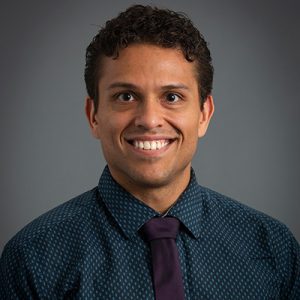
Adam De Jesus, MD, PhD
General Surgery Resident
My primary clinical interest is pediatric surgery, with a focus on minimally invasive approaches and pediatric surgical oncology. I am drawn to the field because it combines complex decision-making, technical precision, and the chance to make a lasting impact on a child’s life. My research background began during my MD/PhD training at Northwestern, where I developed a foundation in biochemistry, metabolism, and translational science. During residency, I have continued to build on this through clinical and outcomes research focused on complex surgical patients, postoperative complications, and perioperative care. I am especially interested in research that helps identify modifiable risk factors, improve operative strategies, and optimize outcomes for children undergoing oncologic surgery. Through residency, I have also grown as an educator and mentor through medical student teaching, and resident education. These experiences have strengthened my goal of becoming an academic pediatric surgeon who contributes to clinical care, research, and education.
Education
- Northwestern University The Feinberg School of Medicine
- University of Chicago - BA Chemistry; BS Biological Chemistry
Honors
During his time at UW, he has been involved in several academic and professional organizations that reflect his interests in surgical education, minimally invasive surgery, and pediatric surgery. He is a member of the Society of American Gastrointestinal and Endoscopic Surgeons (SAGES) and the American Pediatric Surgical Association (APSA).
Research Interests
His research background began during his MD/PhD training at Northwestern, where he developed a strong foundation in biochemistry, metabolism, and translational science. During residency, he has continued to build on this foundation through clinical and outcomes research focused on complex surgical patients, postoperative complications, and perioperative care. His current research interests are closely aligned with pediatric surgery and pediatric surgical oncology, with a particular focus on identifying risk factors for postoperative complications, improving management strategies, and optimizing outcomes for children undergoing major oncologic operations. One of his major research projects has focused on postoperative chyle leak after neuroblastoma resection, using a large multicenter pediatric surgical oncology cohort to better understand risk factors, clinical impact, management patterns, and outcomes. This work reflects his broader interest in using data-driven research to improve perioperative decision-making and guide care for children with complex surgical disease. He has also contributed to foregut and outcomes research evaluating postoperative symptoms and long-term patient-reported outcomes. Together, these experiences have strengthened his interest in academic pediatric surgery and his goal of contributing to research that is clinically relevant, collaborative, and directly connected to improving patient care.