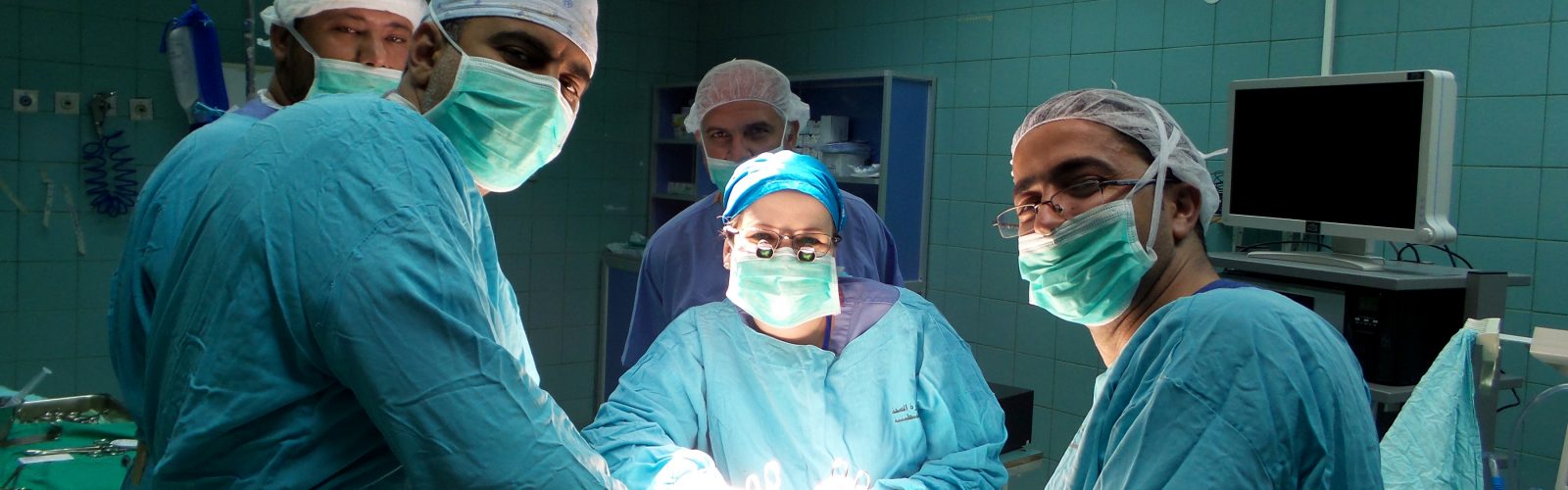
OUR MISSION
Global Surgery at the University of Wisconsin strives for equitable access to excellent patient care across the global community through innovative partnerships that leverage the strengths of diverse teams.
OUR VISION
Health equity through innovative and mutually-beneficial research, service, and health education at sustainable multi-disciplinary global hubs.
Our People
Meet the Global Surgery Workgroup >>
Global Voices
Learn about our experiences in the field >>
Connections Around the Globe
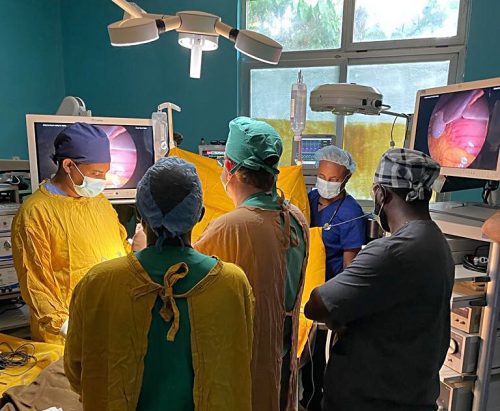
Our faculty, staff, and trainees regularly travel to support international clinical, research, and education collaborations.
Learn about our international partnerships >>
A Global Education
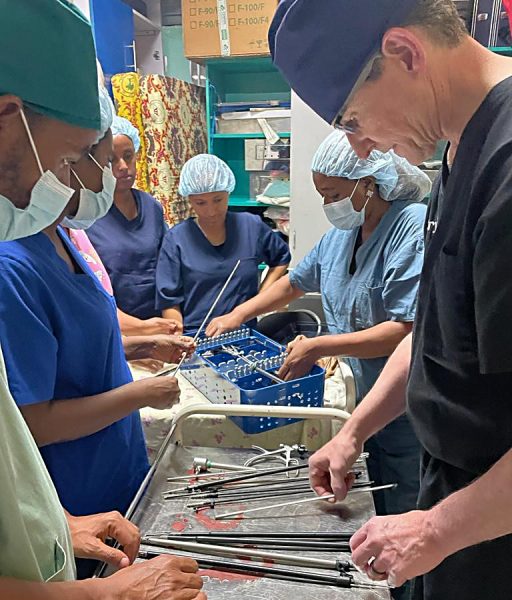
Today’s surgical students are global learners. We support and engage our residents, fellows, and rotating medical students in opportunities to serve and learn abroad. In our global health work, our students become innovative problem-solvers, increase their insight in resource utilization, develop their hand-on skills, and strengthen their leadership capabilities.
Our Global Education Opportunities >>
Research
We’re proud to work with scholars across the globe on a variety of research projects.
Our international research collaborations >>
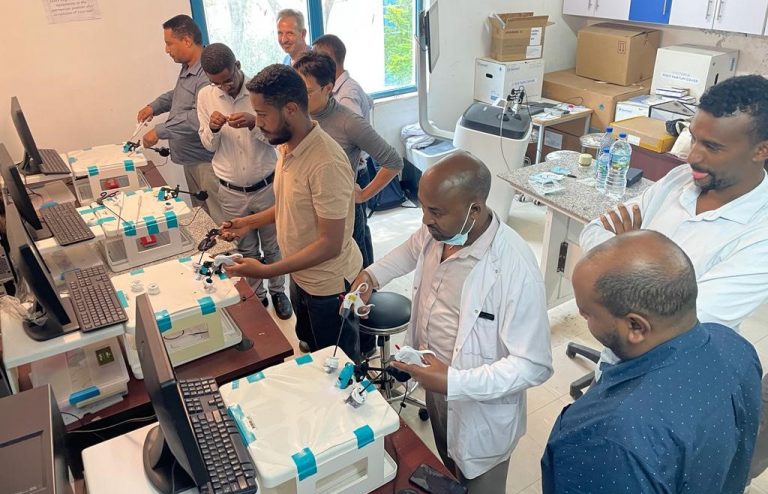
Stories from the field
MJS: In fight to save Ukraine’s wounded, surgeons learn skills at UW-Madison
May 27, 2026 Kelly Meyerhofer (photos: Hannah Schroeder) Milwaukee Journal Sentinel MADISON – Maks Makarenkov couldn’t help but smile on car rides through the capital city. He saw homes with blue and yellow flags pinned …
In My Own Words: Dr. Naren Patel’s Trip to Ethiopia
At the beginning of May, I took my first trip to Black Lion Hospital in Addis Ababa, Ethiopia. During this visit, I worked alongside the Vascular Surgery, Orthopedics, and Wound Care teams to better understand …
Microsurgery and Regenerative Medicine Lab trains Ukrainian Surgeons
During the first two weeks of April, six Ukrainian surgeons joined Wisconsin Surgery to learn limb-saving microsurgery techniques to treat war injuries. The Microsurgery and Regenerative Medicine Lab, led by Drs. Samuel Poore and Aaron …
- More Global Surgery posts
Contact us
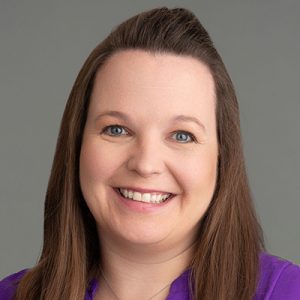
Kristin Long, MD, MPH
Associate Professor, Division of Endocrine Surgery
Vice Chair of Global Surgery
longk@surgery.wisc.edu
(608) 263-1387
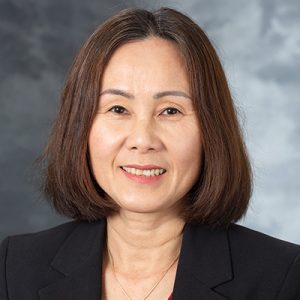
Christine Inthachith, MS
Global Health Coordinator, Global Surgery
Christine.inthachith@wisc.edu
(608) 262-1551