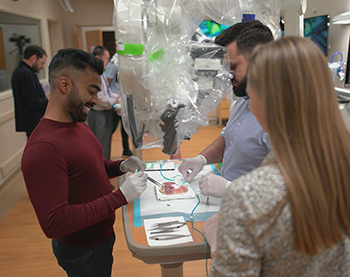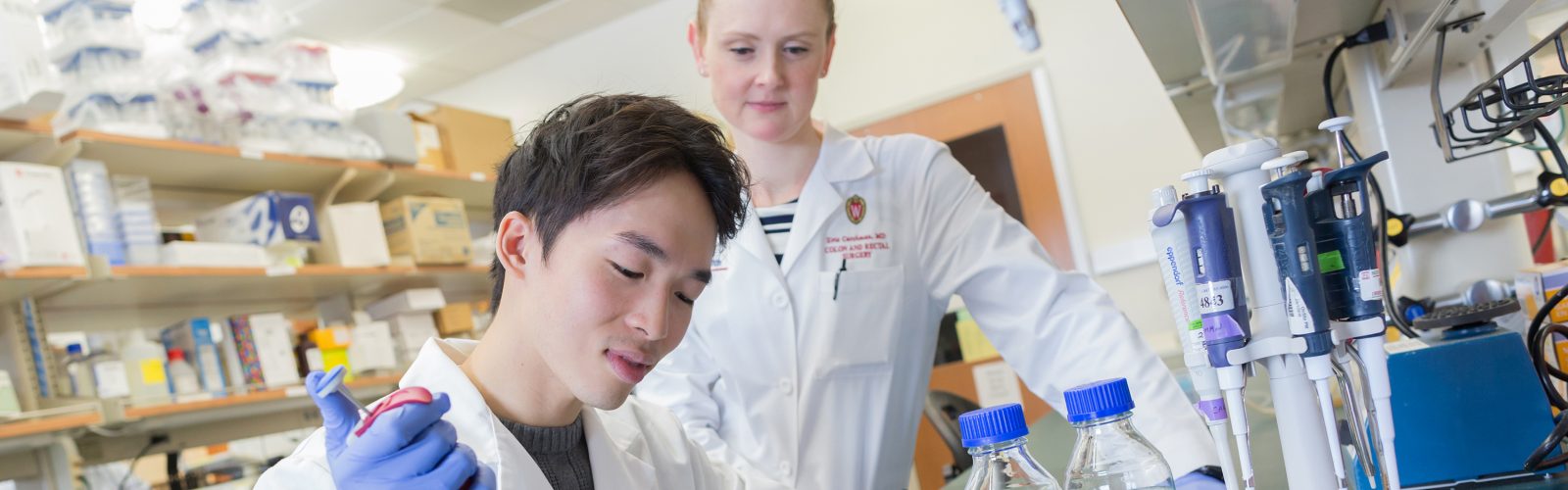
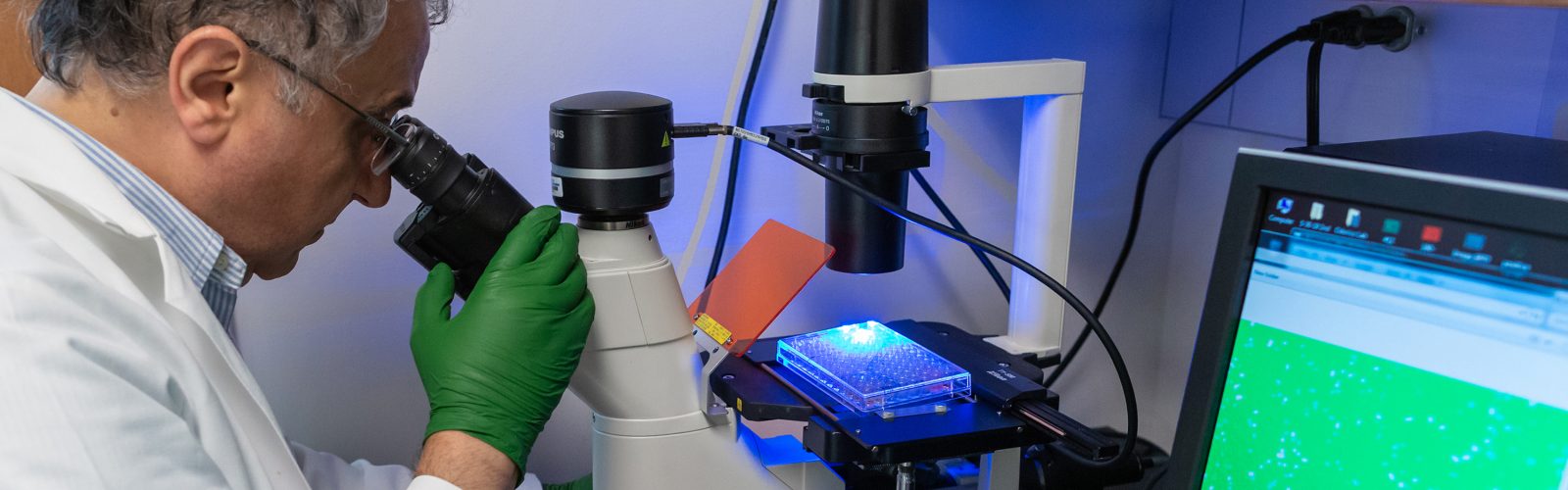
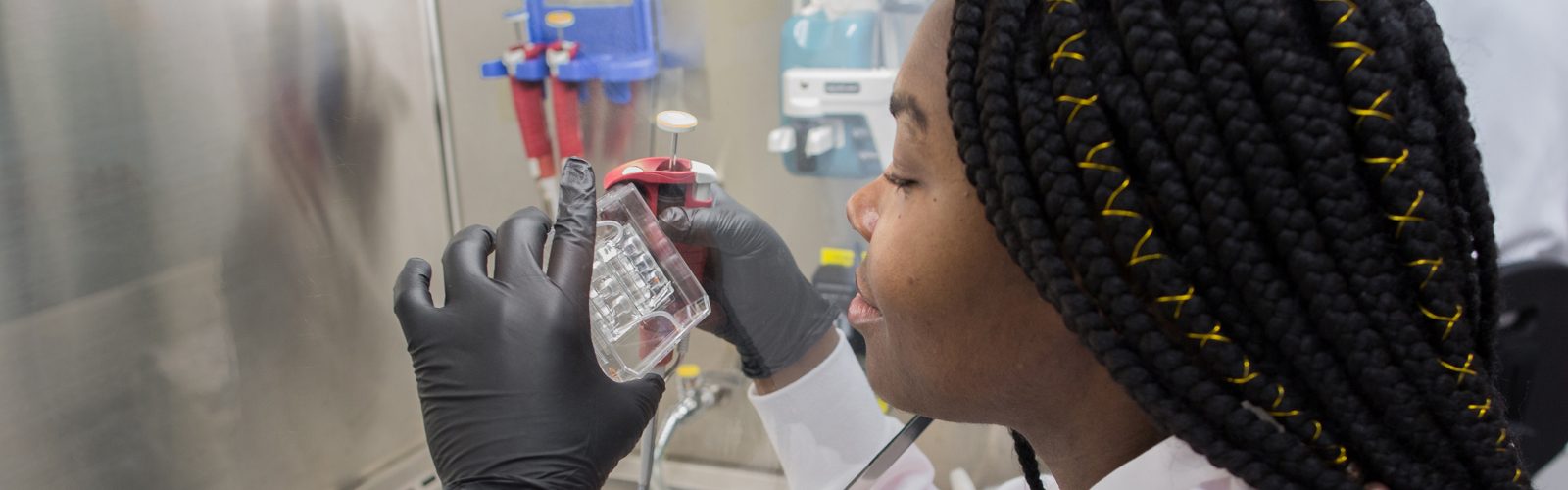
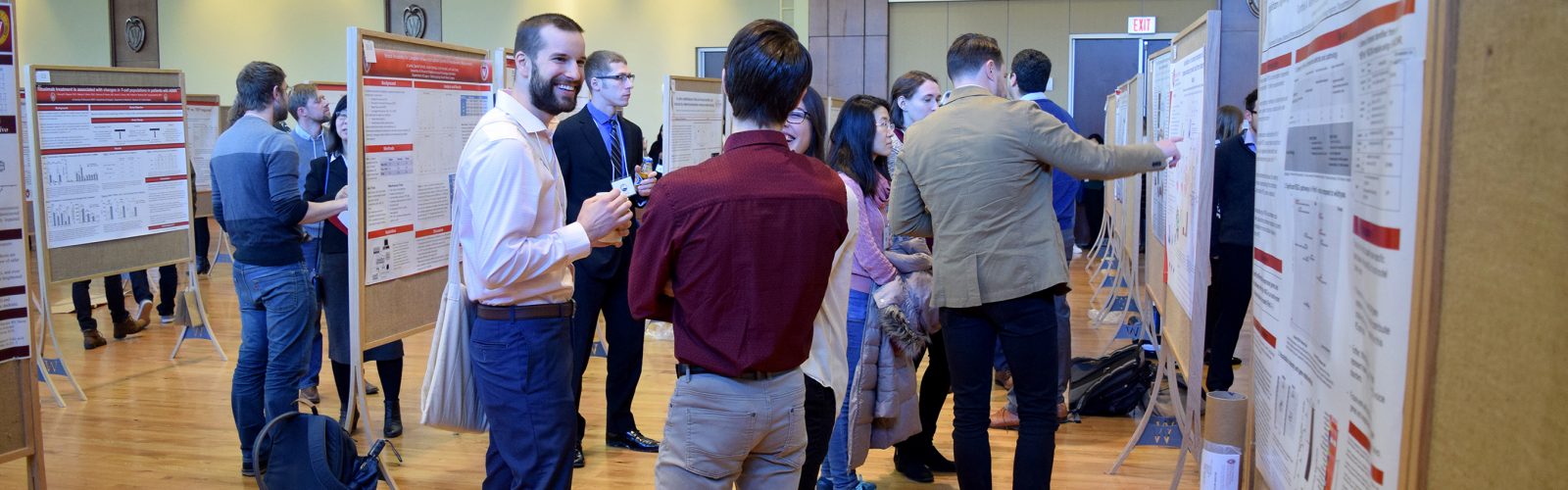
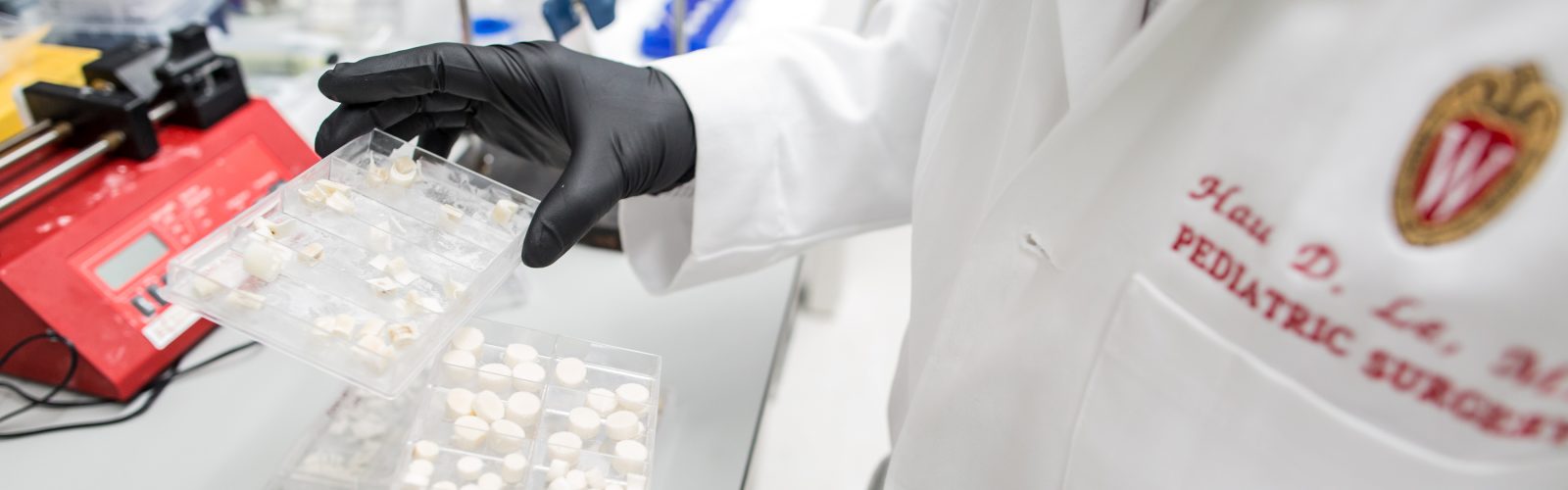

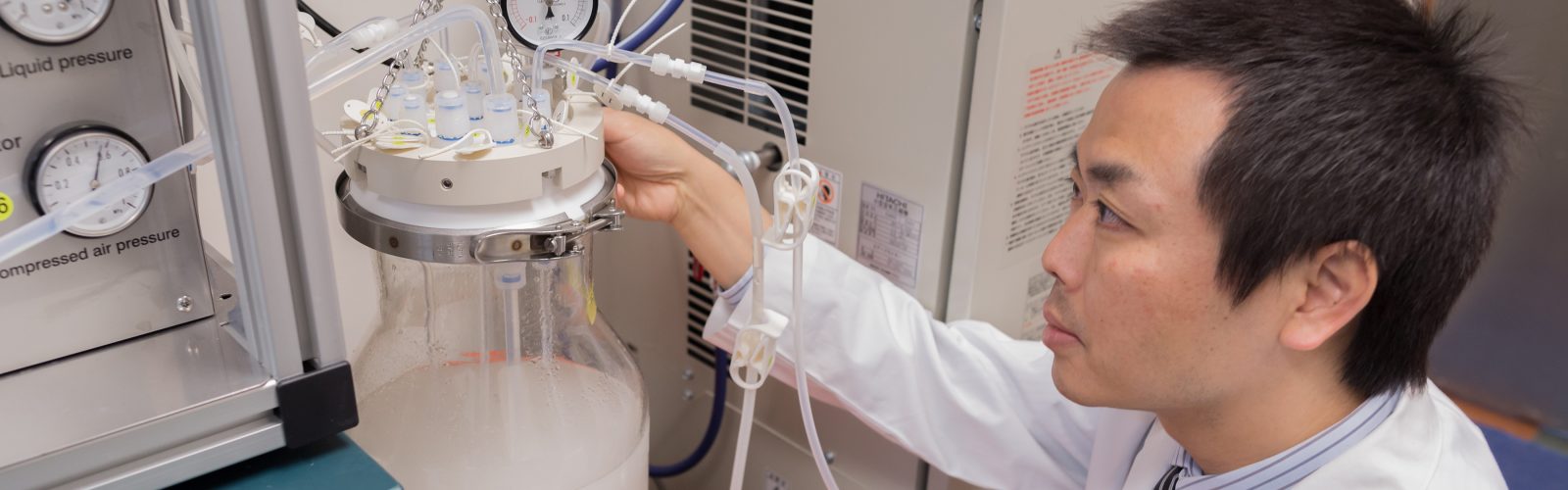
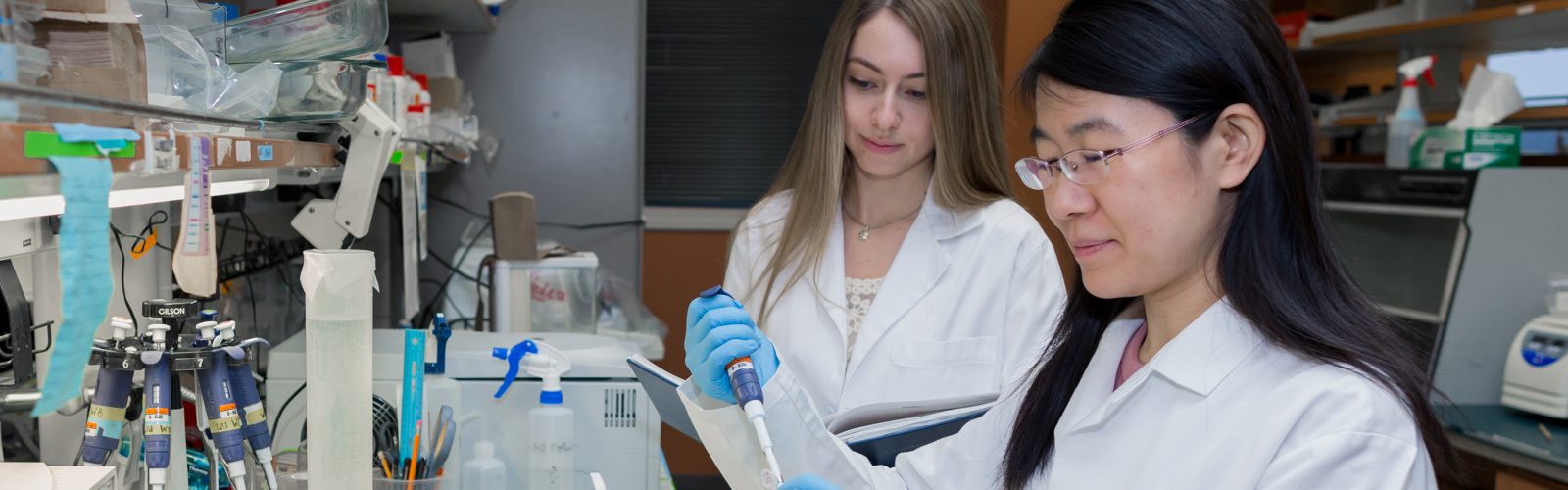
The Department of Surgery at the University of Wisconsin is home to numerous research programs investigating the underlying mechanisms of disease, translating discoveries in the laboratory to clinical trials, and offering experimental options with the goal of improving patient care. Our portfolio of research funding exceeds $7 million annually with a large percentage from the National Institutes of Health.
The Department of Surgery also manages three NIH-funded training programs offering formal research training for medical students, pre-doctoral students, and post-doctoral fellows.
Our solid basic science research is complimented by an evolving portfolio of clinical research with plans to continue to expand outcomes and education research as well as further our International Collaborations.
Dr. Kent’s presentation at the Department of Surgery’s 2012 Research Summit covered the status of research in the department, along with current initiatives and future goals. Please click on the following link to view a video of Dr. Kent’s presentation: Research Update.
Investigators at the University of Wisconsin School of Medicine and Public Health should carefully read federal and non-federal agency guidelines for proposal submission.
|
|
Charles W Acher, MD
Dr. Acher’s current research activities include participation in a VA cooperative study on aneurysm detection and management, research in treatment of thoracoabdominal aneurysm, and prevention of paraplegia in thoracic aneurysm surgery. |
|
|
Ahmed M Afifi, MD
Dr. Afifi’s research interests include outcomes and indications for partial and total breast reconstruction including oncoplastic techniques, functional rhinoplasty, and reconstruction of skull defects. |
|
|
Janet M Bellingham, MD
|
|
|
Michael L Bentz, MD
Dr. Bentz’s research interests focus primarily on outcomes in gyneclogic oncology reconstruction and intra- and extra thoracic reconstruction as well as educational outcomes. |
|
|
Diane M Bless, PhD
Dr. Bless is director of the UW vocal functions laboratories communication processes unit. She has research interests in lifespan change in voice production, efficacy of treatment of vocal dysphonias, assessment/measurement of laryngeal function, and physiological effects of voice treatments. |
|
|
William J Burlingham, PhD
Dr. Burlingham has developed a highly respected transplant basic research program that focuses on acquired immunologic tolerance. His laboratory hopes to gain insight into graft acceptance by studying transplant recipients who have survived after stopping immunosuppressive drugs. Specifically, his research focuses on the natural exchange of soluble antigens and low numbers of white blood cells that occurs between mother and child during pregnancy and nursing. The lab’s working hypothesis is that this exchange, which leads to persistence of bone marrow-derived maternal blood cells within the offspring (“microchimerism”) may induce a “natural” form of tolerance. This tolerance, if harnessed, may allow for drug-free acceptance of transplanted grafts. |
|
|
Guilherme M Campos, MD, PhD
Dr. Campos’ research has focused on treatment outcomes after minimally invasive and endoscopic procedures for esophageal and gastric diseases and the understanding of mechanisms independent of weight loss that contribute to the resolution of insulin resistance and diabetes after bariatric surgery. He has authored or co-authored over 50 peer-reviewed articles and chapters in books and has presented his work at more than 100 national and international meetings. |
|
|
Herbert Chen, MD
Dr. Chen is the leader of the endocrine cancer group at the University of Wisconsin Carbone Cancer Center. His research program investigates the development, progression, and treatment of endocrine tumors including gastrointestinal carcinoids, thyroid cancer, adrenal cancer, and pancreatic islet cell tumors. |
|
|
Clifford S Cho, MD
Dr. Cho conducts basic scientific research in the area of tumor immunology, investigating mechanisms by which tumors evade the host immune response. |
|
|
Michelle R Ciucci, PhD
Dr. Ciucci’s research interests focus on the neurobiological and behavioral underpinnings of cranial sensorimotor control. She is currently exploring the effects of degenerative neurologic disease-induced deficits on voice, speech, and swallowing (oromotor function) using both clinical and basic science methods. Her clinical studies on swallowing focus on fine motor skills required to generate subtle changes in pressure generation during the pharyngeal stage of swallowing, considering the influence of disease state, therapy, and medications on these processes. She also studies Parkinson disease to examine the impact of early sensorimotor training approaches on functional improvement of vocalization and swallow behaviors as well as the underlying neural substrates of exercise-induced brain changes and explores how anti-Parkinson medications influence complex sensorimotor enrichment outcomes. Dr. Ciucci believes understanding these processes will lead to better treatments and functional outcomes for patients with Parkinson disease and other neurologic disorders. |
|
|
Nadine P Connor, PhD
Dr. Connor’s research interests include sensorimotor integration for the control of facial movements; tissue flap physiology; voice disorders; and aging and neuromuscular function in the head and neck. |
|
|
Seth H Dailey, MD
The focus of Dr. Dailey’s research is on surgical reconstruction of the vocal fold, vocal fold scarring, laryngeal premalignancy, office-based procedures of the upper airway, laryngeal education and laryngeal imaging. |
|
|
Anthony M D’Alessandro, MD
Dr. D’Alessandro’s research interests include marketing and social networking efforts to increase awareness and rate of organ and tissue donation and implementation of donation after cardiac death policies. |
|
|
Nilto De Oliveira, MD, FRCS
Dr. DeOliveira’s research interests include myocardial protection, intracardiac fibrous body anatomy and reconstructive procedures, infective endocarditis, effects of the new LAS score on lung transplantation, use of DCD donors lung donation and extended criteria organs, ex vivo lung perfusion system for donor lungs grafts recovery. |
|
|
Lee D Faucher, MD
Dr. Faucher’s research interests include burn and trauma epidemiology, the clinical aspects of burn and trauma care, wound healing, and nonpharmacologic adjuncts for the treatment of burn pain. |
|
|
Luis A Fernandez, MD
Dr. Fernandez’s research interests include pancreas, liver, islet cell, and renal transplantation. |
|
|
David P Foley, MD
Dr. Foley’s research interests include identifying novel protective strategies to minimize ischemia-reperfusion injury in both liver and kidney transplantation. Specific focus includes the study of endogenous antioxidant protective pathways mediated by the transcription factor, Nrf2. |
|
|
Eugene F Foley, MD, FACS
Dr. Foley’s research interests focus on clinical trials designed to improve the surgical care of colorectal disease, through process improvement or the application of novel therapeutic techniques. |
|
|
Charles N Ford, MD
The focus of Dr. Ford’s research is laryngeal function, scarring of the vocal folds, refinements to optimize phonosurgical results, and neurolaryngology. |
|
|
Ankush Gosain, MD, PhD
Dr. Gosain’s laboratory research focuses on interactions between the nervous system and immune system (neuroimmunomodulation) in the development of enterocolitis (Hirschsprung’s disease, Necrotizing Enterocolitis, motility disorders). |
|
|
Caprice C. Greenberg, MD, MPH
The overall emphasis of Dr. Greenberg’s research program is on performance and safety in surgical care, comparative effectiveness research and qualitative research, particularly in relation to patient and provider interactions. Recent studies have assessed disparities in cancer care, mechanisms to improve operating room processes and reduce surgical error, and suggested changes in treatment strategies to improve cancer outcomes. Current studies are investigating variations in breast cancer treatment across community hospitals in the U.S., strategies to improve efficiency and learning in the operating room, and analyzing resiliency and contingency planning in the operating room. |
|
|
Jacob A. Greenberg, MD, EdM
Dr. Greenberg’s principal research interest focuses on simulation as well as surgical education and training. |
|
|
Samuel P Gubbels, MD, FACS
Dr. Gubbels’ research interests include regenerative therapies for hearing loss, inner ear development, congenital ear disorders and cochlear implantation. |
|
|
Bruce A Harms, MD, MBA
Dr. Harms maintains a basic science laboratory that investigates the pulmonary microcirculation and pathophysiology of post-traumatic pulmonary injury. Clinical research projects include the factors important for successful reconstructive surgery for inflammatory bowel disease. |
|
|
Gregory K Hartig, MD
Dr. Hartig has research interests in the cytogenetics of head and neck carcinoma, free flap physiology, and airway reconstruction. |
|
|
Diane G Heatley, MD
Dr. Heatley’s research interests include chronic sinusitis in children; cystic fibrosis and sinus disease; and issues in pediatric otolaryngology. |
|
|
Charles P Heise, MD
Dr. Heise’s current clinical research interests include treatment of diverticulitis, patient outcome and function after surgical treatment of colorectal cancer and inflammatory bowel disease. |
|
|
John R Hoch, MD
Dr. Hoch heads the Section of Vascular Surgery’s research laboratory. Research in the lab is focused on the prevention of vein graft intimal hyperplasia, which is the primary clinical cause of aorto-coronary vein graft failures during the first two years after coronary artery bypass surgery. Dr. Hoch also has clinical research interests in magnetic resonance imaging in vascular patients, thrombolytic therapy, medical management of patients with claudication, and development of the less invasive technique of minilaparotomy for aortic aneurysm repair. |
|
|
Jack J Jiang, MD, PhD
Dr. Jiang’s research focuses on objective pathological laryngeal function assessments, laryngeal physiology, biomechanics of vocal fold vibration, medical instrumentation, medical software development and application. Dr. Jiang is also working on the development of accurate protocols for voice measurement in patients with laryngeal pathology, including professional voice users and children. |
|
|
Dixon Kaufman, MD, PhD, FACS
Dr. Kaufman’s basic research efforts have focused on the immunobiology of islet transplantation, and most recently, on two highly collaborative interdisciplinary projects involving the development of noninvasive imaging modalities of the transplanted islet and bioactive tissue engineering for islet implantation. Dr. Kaufman’s experimental clinical research has focused on immunotherapy of islet transplantation. He has received two RO-1 awards and currently serves as UW site Principle Investigator on the National Institutes of Health funded UO-1 Clinical Islet Transplant Consortium. |
|
|
Gregory D Kennedy, MD, PhD
Dr. Kennedy’s laboratory research focuses on understanding the biologic nature of rectal cancer. His clinical research interests include the role of laparoscopy in the surgical treatment of rectal cancer and inflammatory bowel disease. |
|
|
K. Craig Kent, MD
Dr. Kent’s NIH-funded research program focuses on the investigation of the molecular and cellular mechanisms underlying vascular disease with the goal of identifying new therapeutic targets for the treatment of vascular diseases. He has a longstanding history as an investigator on industry sponsored clinical trials. As a past recipient of the E.J. Wylie Traveling Fellowship, a prestigious award from the Society for Vascular Surgery, he has been recognized for his academic excellence in clinical and basic science research. |
|
|
Tony L Kille, MD
Dr. Kille has research interests in pediatric sinus disease and airway reconstruction. |
|
|
Timothy W King, MD, PhD
Dr. King’s research focuses on the development of tissue-engineered constructs for use in reconstructive plastic surgery. His research has focused on elucidating the regulatory mechanisms required for neovascularization into engineered tissues. He is also interested in merging stem cell biology with tissue engineering to create viable tissue constructs. |
|
|
Takushi Kohmoto, MD, PhD
Dr. Kohmoto has research interests involving the following: mechanical assist devices, heart transplantation, lung transplantation, ischemic preconditioning, |
|
|
Kenneth Allan Kudsk, MD
Dr. Kudsk conducts basic research studying the interactions between nutritional status and infectious risk in surgical and critically injured patients. His research program investigates the effect of route and type of nutrition on mucosal immunity in the intestinal and respiratory tracts. |
|
|
Muthusamy Kunnimalaiyaan, PhD
Dr. Kunnimalaiyaan has twelve years of postdoctoral experience in the fields of biotechnology, microbiology, molecular biology, and plant biology with eight years of research on DNA replication of both plant and bacteria. His current focus is on the Role of Notch-1 and Ras/raf-1 signaling pathways in Gastrointestinal Neuroendocrine tumors. He has worked on cancer biology/signaling pathways (Notch-1 and Ras/raf-1) since 2001. |
|
|
Ruth Y Litovsky, PhD
Dr. Litovsky’s translational research investigates cochlear implants, in particular with regard to the effect that bilateral cochlear implants have on the ability of patients to hear speech and localize sounds. Specifically, Dr. Litovsky’s lab studies emergence of spatial hearing abilities in young children, through longitudinal investigations. We study the ability of children to separate speech from competing sounds, and to identify source locations. Through various collaborations these studies also focus on language acquisition (with Jenny Saffran and Susan Ellis-Weismer) and phonological awareness (with Jan Edwards). Another line of research with adults focuses on how to improve performance with bilateral devices that are not designed to be synchronized. Thus we study binaural sensitivity using research processors, in the hope that a clinical binaural processor with a single digital signal processor can be implemented in the near future. |
|
|
Bo Liu, PhD
Dr. Liu and her long-term research partner, Department of Surgery Chair Dr. Craig Kent, have built a multi-disciplinary vascular research team that focuses on investigations that are basic, translational and clinical. Their basic research efforts involve three broad areas: Molecular mechanism underlying vascular inflammation, molecular mechanism underlying occlusive vascular diseases, and development of new materials for biomedical applications (gene delivery and vascular grafts). Specifically, Dr. Liu’s group has identified an intracellular signaling protein called protein kinase C-delta (PKCδ) as a key regulator for apoptosis of vascular smooth muscle cells. The potential role of PKCδ in the pathogenesis of intimal hyperplasia or abdominal aortic aneurysms are being investigated. |
|
|
Lucian Lozonschi, MD
Dr. Lozonschi’s experimental research focuses on endovascular surgery and transcatheter heart valve therapies. He also has an active basic science project to study angiogenesis in myocardial engineering and regeneration in the in-vivo models that he developed in Japan. Dr. Lozonschi has published surgical training models for experimental robotic closure of atrial septal defects. |
|
|
James D Maloney, MD
Dr. Maloney’s research interests include restoring function following chest surgery, as well as aging and cancer. He is also investigating novel treatments for end stage lung disease. |
|
|
Benjamin C Marcus, MD
Dr. Marcus’ research interests include functional rhinoplasty, endoscopic cosmetic surgery, pediatric distraction osteogenesis and digital imaging. |
|
|
Jon S Matsumura, MD
Dr. Matsumura’s research is devoted to the development and testing of novel devices and techniques for the treatment of vascular diseases, including stents and stent-grafts for the repair of aortic and thoracic aneurysms. He is the national principal investigator on a number of multi-institutional clinical trials evaluating investigational devices. In addition, he is renowned for extensive training programs that allow other vascular surgeons to learn new endovascular techniques for treating patients in their own practices. |
|
|
Timothy M McCulloch, MD
The focus of Dr. McCulloch’s research is laryngeal function, dysphagia, trauma and head and neck cancer treatments. |
|
|
James Scott McMurray, MD
Dr. McMurray has research interests in pediatric airway reconstruction, dysphagia, and voice disorders, as well as the treatment of lymphangioma. |
|
|
Joshua D Mezrich, MD
Dr. Mezrich’s research interest is in transplant tolerance. |
|
|
Delora L Mount, MD
Dr. Mount’s research interests include distraction osteogenesis, outcomes and indications for free flap reconstruction of craniofacial defects in children, and clinical outcomes of cleft surgical repair on skeletal growth, dentition, and speech. |
|
|
Heather B Neuman, MD, MS
Dr. Neuman’s research focuses on patient-oriented clinical outcomes including patient decision-making, quality of life and survivorship. |
|
|
Peter F Nichol, MD, PhD
Dr. Nichol’s laboratory research focuses on intestinal development with a goal of developing therapies that will enable growth of the gut in patients with intestinal failure. |
|
|
Jon S Odorico, MD
Dr. Odorico’s research focuses on stem cell biology and differentiation, developing novel stem cell-based strategies for treating diabetes, pancreas transplantation, and islet cell transplantation. |
|
|
James A.W. Orr, MD
Dr. Orr has conducted research on necrotizing fasciitis and hyperbaric oxygen therapy as well as the costs and complications associated with vascular access devices. |
|
|
Thomas R Pasic, MD
Dr. Pasic’s clinical research efforts are in the study of chronic sinusitis and outcome research. |
|
|
John D Pirsch, MD
Dr. Pirsch has research interests in immunosuppressive therapy and the medical complications of transplantation. |
|
|
G. Mark Pyle, MD
Dr. Pyle’s research interests include new techniques in intraoperative monitoring during acoustic neuroma surgery, outcome studies in the surgical treatment of vertigo, objective measurements of middle ear function, and embryologic development of the inner ear. |
|
|
Venkat K Rao, MD, MBA
Dr. Rao’s current research interests include breast reconstruction and outcomes in cosmetic surgery. |
|
|
Burke S Richmond, MD
Dr. Richmond’s research interests include dizziness and vestibular disorders, sensorineural hearing loss and tinnitus, voice disorders, rhinology, headache, facial pain, TMJ syndromes, head and neck cancer prevention, nutrition, and epidemiology. |
|
|
Margaret L Schwarze, MD
Dr. Schwarze’s research interests include clinical medical ethics and health services research. |
|
|
Rebecca S Sippel, MD
Dr. Sippel conducts translational research at the University of Wisconsin Comprehensive Cancer Center. Her research program investigates the development and treatment of endocrine tumors with a special interest in thyroid cancer. She also conducts clinical research working on improving the care and outcomes of patients with endocrine tumors. |
|
|
Elizabeth A Sisk, MD
The focus of Dr. Sisk’s research is the investigation of DNA tumor viruses in head and neck carcinoma. |
|
|
Hans W. Sollinger, MD, PhD, FACS
Dr. Sollinger’s research interests include the clinical and preclinical testing of new immunosuppressive agents and gene therapy for cell transplantation. |
|
|
Girma Tefera, MD
Dr. Tefera has clinical research interests in abdominal aortic aneurysm treatment with endovascular stent graft and distal peripheral artery bypass surgery as well as angioplasty and stent for limb salvage. |
|
|
Susan Thibeault, PhD
Dr. Thibeault’s translational research investigates molecular and genetic factors that are the basis of normal vocal fold tissue and its vibration. Dr Thibeault studies vocal fold injury and wound healing as a disordered model. Specifically, Dr Thibeault’s lab has two main areas of study — tissue engineering of the vocal fold lamina propria and laryngeal immunology. The lab has developed unique primary and immortalized human cell lines, in addition to vibrational bioreactors to aid in the research pursuit. |
|
|
Michael Tirabassi, MD
Dr. Tirabassi’s research focus is the advancement of minimally invasive pediatric surgery. He is also dedicated toward the improvement of surgical education. |
|
|
William D Turnipseed, MD
Dr. Turnipseed has research interests in the development of less invasive surgical techiques for treatment of complex aortic and visceral branch arterial disease, the prevention of stroke, and the development of a Vascular and Cardiac Disease Center. |
|
|
David Upton, MD
Dr. Upton’s research interests include adult rhinosinusitis and office-based procedures of the head and neck. |
|
|
Sharon M Weber, MD
Dr. Weber conducts translational research at the UW Carbone Cancer Center evaluating novel tumor selective agents which may be promising for imaging and/or treating tumors. She also conducts clinical research evaluating prognosticators of outcome in patients with liver, bile duct, and liver tumors. She also conducts outcomes research evaluating preoperative predictors of postoperative complications for patients undergoing pancreatectomy. |
|
|
Tracey L Weigel, MD
Dr. Weigel conducts research at the UW Carbone Cancer Center focused on early detection and minimally invasive surgical resection of lung and esophageal cancers. She is an investigator in several NIH-funded research studies conducted through the American College of Surgery Onocolgy Group (ACOSOG) and Eastern Cooperative Oncology Group (ECOG). Her research interests include: preoperative assessment of geriatric patients with thoracic malignancies; and innovative preoperative chemo immuno and radiation therapies for advanced lung and esophageal cancers. |
|
|
Nathan V Welham, PhD
Dr. Welham’s research interests include mechanisms of vocal fold injury and repair, vocal fold scarring and sulcus vocalis, proteomics and biomarker discovery. |
|
|
Lee G Wilke, MD
Dr. Wilke’s principal research interest is clinical trials seeking novel methods of treating patients with breast cancer. Dr. Wilke is a member of the executive committee of the American College of Surgeons Oncology Group. She is also a collaborator and investigator evaluating the use of optical spectroscopy to evaluate breast tumor margins and aid in the diagnosis and evaluation of solid tumors. |
|
|
Emily R. Winslow, MD
Dr. Winslow conducts clinical research in patients with pancreatic cancer and neuroendocrine tumors. She also is interested in outcomes studies in patients with hepatobiliary malignancies. She is currently pursuing a master’s degree in Clinical Investigation at the Institute for Clinical and Translational Research, with the goal of developing a data-based approach to early detection of pancreas cancer and the necessary screening tools for high risk groups. |
|
|
Dai Yamanouchi, MD, PhD
Dr. Yamanouchi’s research interests include the pathogenesis of abdominal aortic aneurysm and restenosis after angioplasty including balloon angioplasty and stent placement. He is also devoted to the development of novel materials for vascular bypass graft and gene delivery method to treat the patients who suffers peripheral arterial disease. |